
Bringing home Harlequin lambs is an exciting way to begin a flock, but the best decision starts well before a lamb is available. Young sheep need suitable companions, secure fencing, dry shelter, a steady feeding routine, and owners who understand that the first weeks in a new place should be quiet and deliberate.
HSSR does not sell lambs directly. The Society connects prospective owners with member breeders who are raising the breed and can speak honestly about availability, temperament, registration, transport, and the care a particular pair or group will need. That breeder conversation is the right place to start when you are looking for Harlequin lambs.
Begin With a Breeder Conversation
Harlequin lamb availability is shaped by each farm’s breeding plans, lambing season, retained stock, and the age at which the breeder feels a young sheep is ready to move. A member breeder can tell you what is planned, what may be available, and whether your timing makes sense. Reaching out early gives both of you room to decide whether the fit is right.
Introduce yourself with more than a request for a price or photo. Share where you live, whether these would be your first sheep, how many animals you hope to keep, what you have already prepared, and when you are realistically ready for arrival. A clear conversation helps a breeder recommend the right age, companionship, and next steps for your farm.
There is no benefit to rushing a lamb home before its breeder believes the time is right. Waiting for a suitable pair, a healthy transition, and a well-prepared setup gives your new flock a much stronger start than choosing only by the first available date.
Browse HSSR member breeders →
Choose Companions, Not a Single Lamb
Sheep are flock animals. A young Harlequin should not arrive alone simply because one lamb caught your attention. Planning for a compatible pair or small group gives sheep company as they adjust, helps them settle into a more natural routine, and keeps a new owner from trying to solve loneliness after the fact.
Ask the breeder which lambs already live well together and whether there are established pairs that should remain together. The right combination may depend on sex, age, temperament, intended purpose, and the flock you hope to build over time. A breeder can also help you think through whether lambs, older sheep, wethers, or breeding stock best fit your experience and goals.
A Harlequin’s compact frame can suit many small-farm settings, but compact does not mean low-commitment. Each sheep still needs enough room to rest, feed, move, and keep distance when it chooses. Build your plan around daily care, not just the moment the lambs arrive.
Ask What the Lambs Know and Need
Young sheep do best when their new home respects the routines they already know. Ask the breeder what the lambs are eating, how they are handled, what shelter they use, whether they have been around dogs or other livestock, and what their current daily rhythm looks like. Those details help you prepare a familiar, calmer transition.
Discuss the lambs’ health history and the breeder’s recommendations for continued care. Keep your own veterinarian, local weather, and pasture conditions in the conversation. A breeder knows the lambs well, while a livestock veterinarian can help you make decisions that fit your property and the animals’ needs after they arrive.
It is also useful to ask what the breeder expects in the first few days at home. Some lambs need time to observe their new surroundings before they feel comfortable around people. Quiet handling, predictable feeding, and a secure pen give them space to settle without turning the arrival into a stressful event.
Prepare the First Home Before Pickup
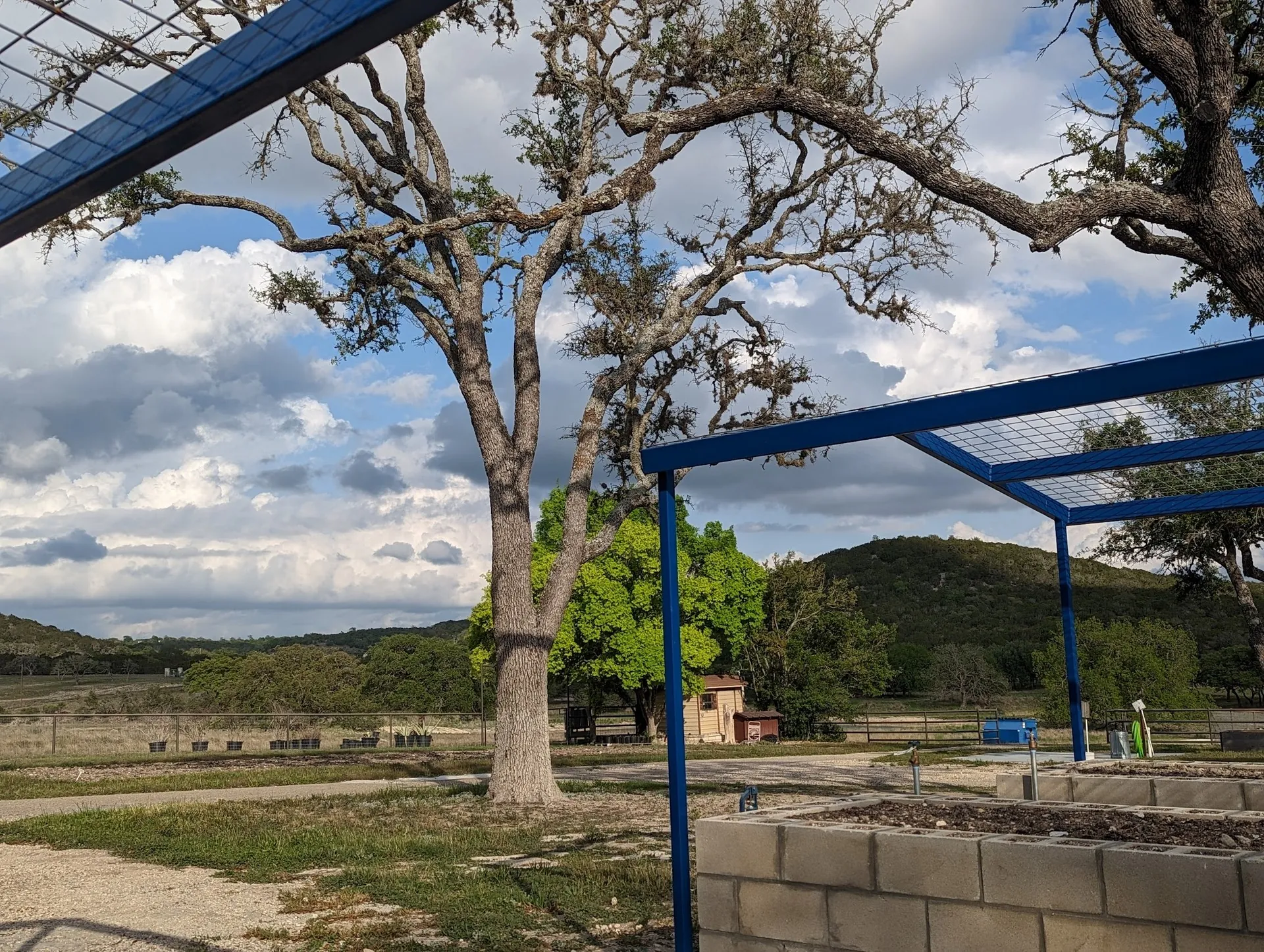
The essentials should be ready before you make travel plans. Secure fencing, a dry place out of difficult weather, clean water, hay, mineral access, and a manageable way to feed and observe the lambs are the starting point. You should also know how you will separate an animal that needs closer attention without isolating it from all flock contact.
Walk through the farm as if the lambs were already there. Check gates and corners, notice where water collects after rain, and make sure a small sheep cannot find a gap you overlooked. Consider the work you will need to do on an ordinary wet morning: carry hay, refill water, check the perimeter, and see every animal without turning the routine into a struggle.
Use the Society’s buyer preparation guide to organize the basics, then discuss your particular setting with the breeder. A simple home that is safely fenced, well supplied, and easy to manage is far better for young sheep than an ambitious setup that is unfinished on arrival day.
Keep Registration and Transfer Records Clear
Ask about each lamb’s registration, parentage, generation designation when relevant, and the paperwork that will accompany the purchase. HSSR records connect a sheep to its documented history, which is valuable for breeding decisions, ownership changes, and keeping a trustworthy flock record over time.
Make ownership transfer part of the buying conversation, not a task to postpone. Confirm what documents the breeder will provide, keep registration numbers and health records together, and follow the current HSSR process promptly after the lambs arrive. The Society’s ownership transfer guide explains the records worth keeping close.
For prospective breeders, documented parentage is especially important. For every owner, clear records make it easier to understand the sheep in your care and preserve the connection between the animal, its breeder, and the wider Harlequin community.
Choose Timing That Works for the Lambs and Your Farm
A good arrival date is not only the first date that works on a calendar. Consider the weather your lambs will meet, the condition of your fencing and shelter, your travel schedule, and whether you have enough time at home to observe a new flock closely. A breeder may recommend waiting for a more favorable window, particularly when a lamb needs more time with its familiar group or when your farm is still being prepared.
That patience pays off. Lambs arrive best when the basic decisions are already made: where they will stay first, what they will eat, how you will reach the breeder with questions, and how you will keep the first days quiet. When those pieces are in place, the arrival feels less like a scramble and more like the beginning of a dependable flock routine.
Plan the Trip and the Quiet Arrival
Whether you collect the lambs yourself or use a livestock hauler, talk through pickup time, weather, loading, ventilation, feed, water, and the full route before the day arrives. Young sheep need calm handling and secure footing throughout the trip. The right plan is the one that keeps travel predictable and avoids a rushed handoff.
At home, have the first pen ready before the trailer pulls in. Provide the feed the lambs are used to, fresh water, and a sheltered place where they can take in the new surroundings. Resist the urge to introduce them to every person, animal, and pasture at once. Let the lambs settle, observe their eating and behavior, and keep the first routine simple.
HSSR’s safe sheep hauling guide and first-flock arrival guide can help you prepare the details that matter before travel begins.
Frequently asked questions
Finding Harlequin lambs
When are Harlequin lambs available?
Availability depends on each breeder’s lambing season, flock plans, and the age at which that breeder feels a lamb is ready to leave. Contact HSSR member breeders early, share your timing, and be prepared for the right lambs to be available later than you hoped.
Should I buy two Harlequin lambs together?
Plan for appropriate sheep companionship. A compatible pair or small group gives young sheep company as they settle into a new home, and a breeder can help you understand which lambs already live well together.
What records should come with a Harlequin lamb?
Ask the breeder about registration, parentage, health history, feeding routine, and the paperwork needed for ownership transfer. Keeping those details together from the start makes your flock records much easier to manage.
How should I prepare for lamb pickup day?
Have secure fencing, a dry sheltered pen, hay, water, mineral access, and a calm arrival plan ready before travel begins. Confirm loading, timing, weather, and the lambs’ current feed routine with the breeder in advance.