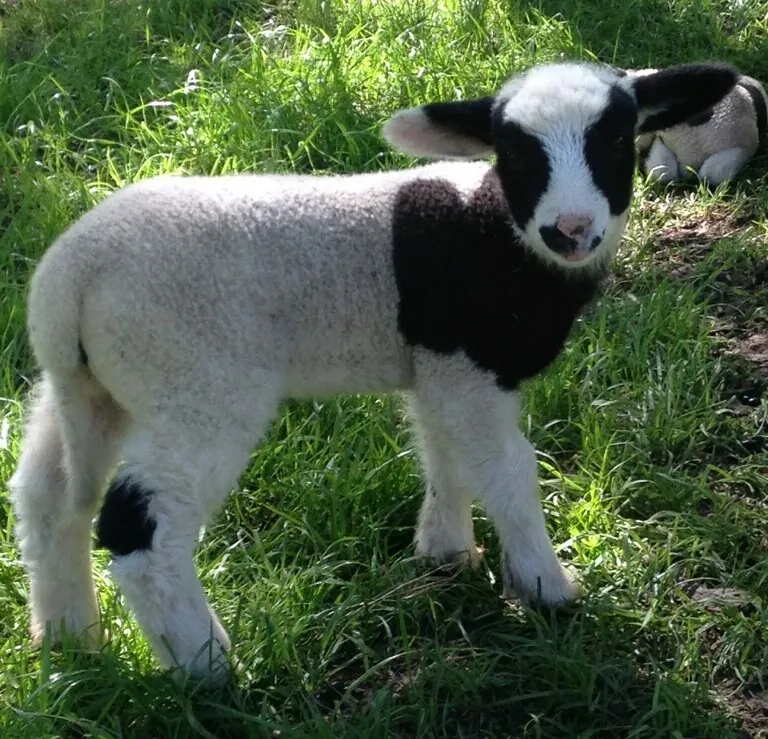
Harlequin sheep are a distinctive American miniature breed, valued for their manageable stature, naturally polled profile, varied fleece, and engaging presence in a small flock. The right sheep are not simply the first ones available. They are sheep whose breeder, records, temperament, and care needs fit the life you are ready to provide.
HSSR does not sell sheep directly. The Society’s role is to help you begin with trustworthy information and connect with member breeders who are stewarding the breed. The member directory is the best place to start when you are looking for Harlequin sheep for sale. From there, a thoughtful breeder conversation can help you understand availability, location, transport, registration, and whether a particular group of sheep is a good fit for your goals.
Start With an HSSR Member Breeder
Breeder availability changes with lambing seasons, flock plans, and the age or sex of the sheep a farm is prepared to place. A directory gives you a direct path to the people raising Harlequins, rather than leaving you to sort through incomplete listings or guess at a sheep’s background. Reach out with patience and enough detail for a breeder to understand what you are hoping to build.
Tell the breeder where you are located, whether you are looking for a first flock, fiber animals, breeding stock, or companions, and when you hope to bring sheep home. Share what you have prepared so far, including fencing, shelter, water, pasture, and your local livestock support. This helps a breeder give useful guidance early and may reveal that a different age, pairing, or timeline would serve you better.
Expect availability to be individual to each farm. A good match is worth waiting for. Responsible breeders want their sheep to go to homes where the flock can settle well and where the new owner understands the ongoing work of care.
Choose Sheep With a Flock in Mind
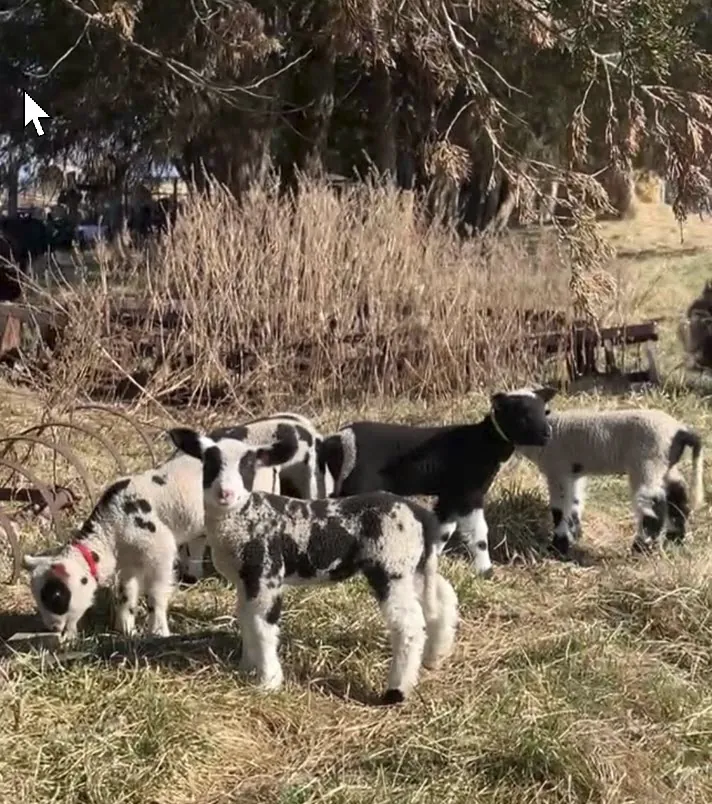
Sheep need sheep. When you are shopping for Harlequins, plan for appropriate companionship rather than bringing home one animal alone. A pair or a small compatible group gives sheep the company they naturally seek and makes it easier to establish a calm routine at home.
Ask how the sheep currently live together, what feed they receive, and whether there are established pairs or groups that should remain together. A breeder can also help you think through the practical differences between lambs, mature ewes, wethers, and breeding animals. Your experience level, available space, and long-term goals should shape the choice.
Harlequins may be compact, but they are still sheep. They need room to move, reliable companionship, a safe perimeter, fresh water, mineral access, shelter, routine hoof and fleece care, and a plan for veterinary needs. Buying the right number of animals is part of giving them the right home.
Ask About Registration and the Sheep’s History
For a breed with a developing American story, clear records matter. Ask a breeder about each sheep’s registration, parentage, generation designation when relevant, health history, and the paperwork that will travel with the animal. Those records give you a better understanding of the sheep in front of you and help preserve the connection between the animal, its breeder, and the wider Harlequin community.
Registration is especially important when you are considering breeding stock, but it also matters to owners who want an accurate record behind their flock. A registered sheep has documented ancestry and an established place within the registry. That clarity becomes valuable when you later make breeding decisions, transfer ownership, or simply want to keep your farm records organized.
Be direct about what you need. Ask whether the sheep are registered, whether the transfer process is ready to begin, and what the breeder will provide at pickup or delivery. The Society’s guide to registered and non-registered sheep explains why documented history supports responsible breeding and a stronger future for the breed.
Prepare Before You Commit
The most important buying work happens before the trailer arrives. Secure fencing, weather protection, clean water, feed storage, mineral access, a shearing plan, and a relationship with a livestock veterinarian should be in place before you bring sheep home. A pretty pasture alone is not enough. Good preparation reduces stress for the flock and prevents a new owner from having to solve basic problems in the first difficult week.
Walk your property with the sheep’s daily routine in mind. Where will they sleep when weather turns? How will you move hay and water in rain or winter? Can you separate a new arrival or an animal that needs closer observation? Is the perimeter secure against the predator risks in your area? A simple, well-managed setup is better than a complicated one that is difficult to maintain.
Use HSSR’s buyer preparation guide as a starting checklist, then talk through your specific climate and property with the breeder. The goal is not to create a perfect farm on day one. It is to create a safe, workable home that supports sheep welfare every day after.
Plan Transport and Arrival Carefully
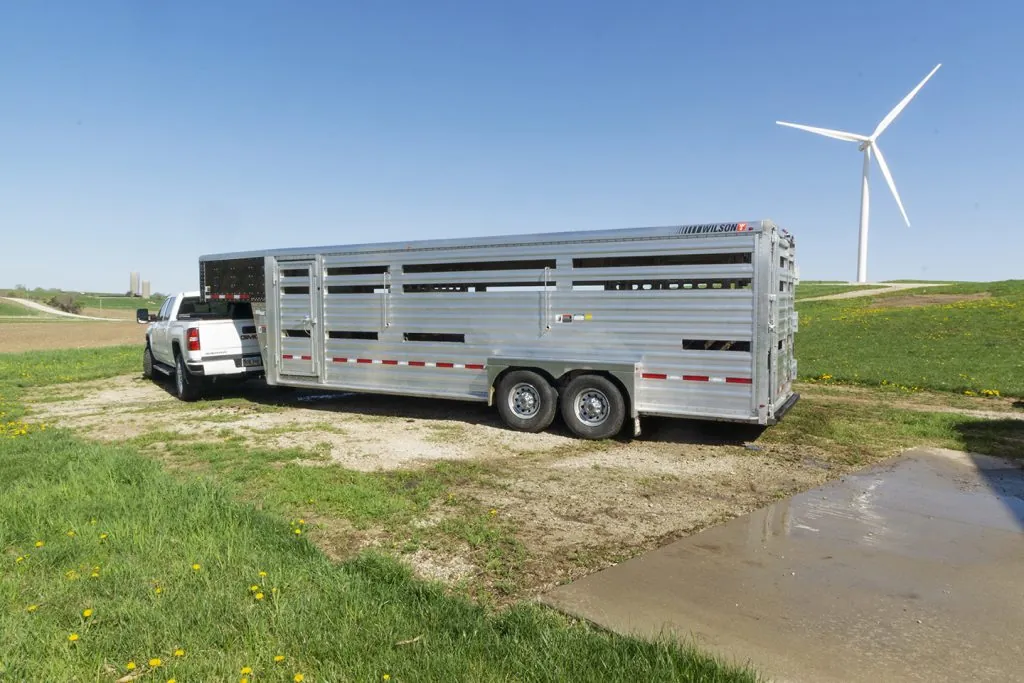
The right Harlequins may be some distance from your farm. Long-distance purchases can work well when the plan is clear, but travel should never be an afterthought. Discuss pickup timing, weather, health paperwork, loading, delivery, and the exact arrival setup before you reserve transport.
Professional livestock haulers understand ventilation, secure footing, loading, rest planning, and the calm handling live animals need on the road. Whether you collect the sheep yourself or arrange a hauler, have a quiet pen ready, clean water available, and hay on hand before they arrive. Give the flock time to settle rather than expecting immediate interaction.
HSSR’s safe sheep hauling guide and long-distance buyer guidance can help you ask better questions before the trip begins.
Make the Transfer Part of the Purchase
When registered sheep change hands, ownership records need to move with them. New owners should become current HSSR members and follow the official transfer process so the Certificate of Registration is current. Keep the original paperwork, registration numbers, breeder information, and health records together in your farm files.
It is easy to treat paperwork as something to handle later, but it is part of a responsible purchase. Completing the transfer promptly gives you a clean record from the beginning and makes future decisions easier. It also protects the value of accurate registration information for the breeder, the new owner, and the Harlequin breed as a whole.
Before you finalize a purchase, ask the breeder what documents will be included and confirm the next steps for transfer. The HSSR ownership transfer guide explains the process and the records worth keeping close.
Frequently asked questions
Buying Harlequin sheep
Where can I find Harlequin sheep for sale?
Start with the HSSR member breeder directory. It connects prospective owners with Society members raising Harlequin sheep across the United States. Availability, location, and the right timing vary by breeder, so contact a few members directly with a clear picture of the flock and home you are planning.
Should I buy one Harlequin sheep or a pair?
Plan for appropriate companionship rather than bringing home a single sheep. Sheep are social animals, and a pair or a small compatible group gives them the company they need while helping a new owner establish a more natural flock routine.
What should I ask a Harlequin sheep breeder?
Ask about registration, parentage, health history, flock temperament, feeding, shearing, transport, and the routine the sheep are used to. A useful conversation also covers your property, local weather, fencing, shelter, and the goals you have for your flock.
How do I transfer ownership of registered Harlequin sheep?
New owners should become current HSSR members and follow the official ownership-transfer process so the Certificate of Registration and flock records are current. Keep the original paperwork, registration numbers, and breeder information together with your farm records.