Finding the right Harlequin sheep breeder is about more than locating available animals. A breeder is the person who can help you understand the flock you are considering, the records behind it, the care the sheep already know, and whether your plans will give them a good home. That relationship matters most when you are new to sheep, but it remains valuable for experienced owners, fiber-minded shepherds, and people planning breeding stock.
HSSR does not sell sheep directly. The Society connects prospective owners with member breeders who are raising and stewarding Harlequin sheep. The member breeder directory is the practical place to begin, whether you are looking for your first pair, a young flock, or a conversation about future availability.
Start With HSSR Member Breeders
Member breeders are the best source for breed-specific guidance and current information about their own flocks. Availability changes with lambing seasons, retained animals, transport plans, and each farm’s priorities. A directory lets you contact the people raising Harlequins instead of relying on incomplete listings or trying to judge a sheep’s background from a single photograph.
Reach out to more than one breeder when appropriate, especially if location, timing, or the type of flock you hope to build is important. Introduce yourself clearly. Include where you live, whether these would be your first sheep, the number of animals you hope to keep, and the broad timing you have in mind. A breeder can give a more useful response when they understand the home and goals behind the inquiry.
A thoughtful first conversation may lead to available sheep, a future waiting list, or a recommendation to wait until your fencing, shelter, or flock plan is more settled. That is useful guidance, not a dead end. The best placement is one that works for the sheep as well as the people bringing them home.
Browse HSSR member breeders →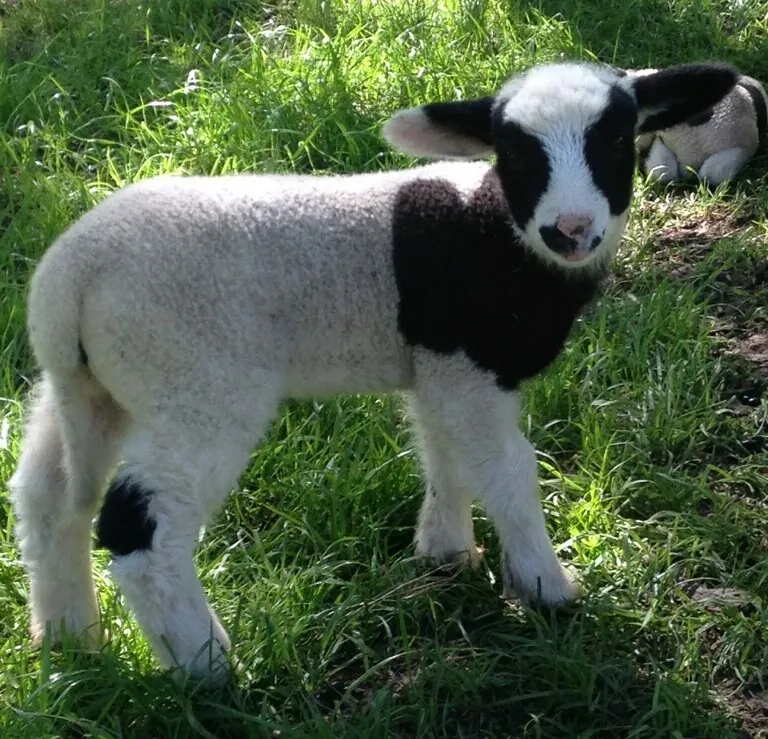
Choose a Breeder Who Can Help You Choose the Right Flock
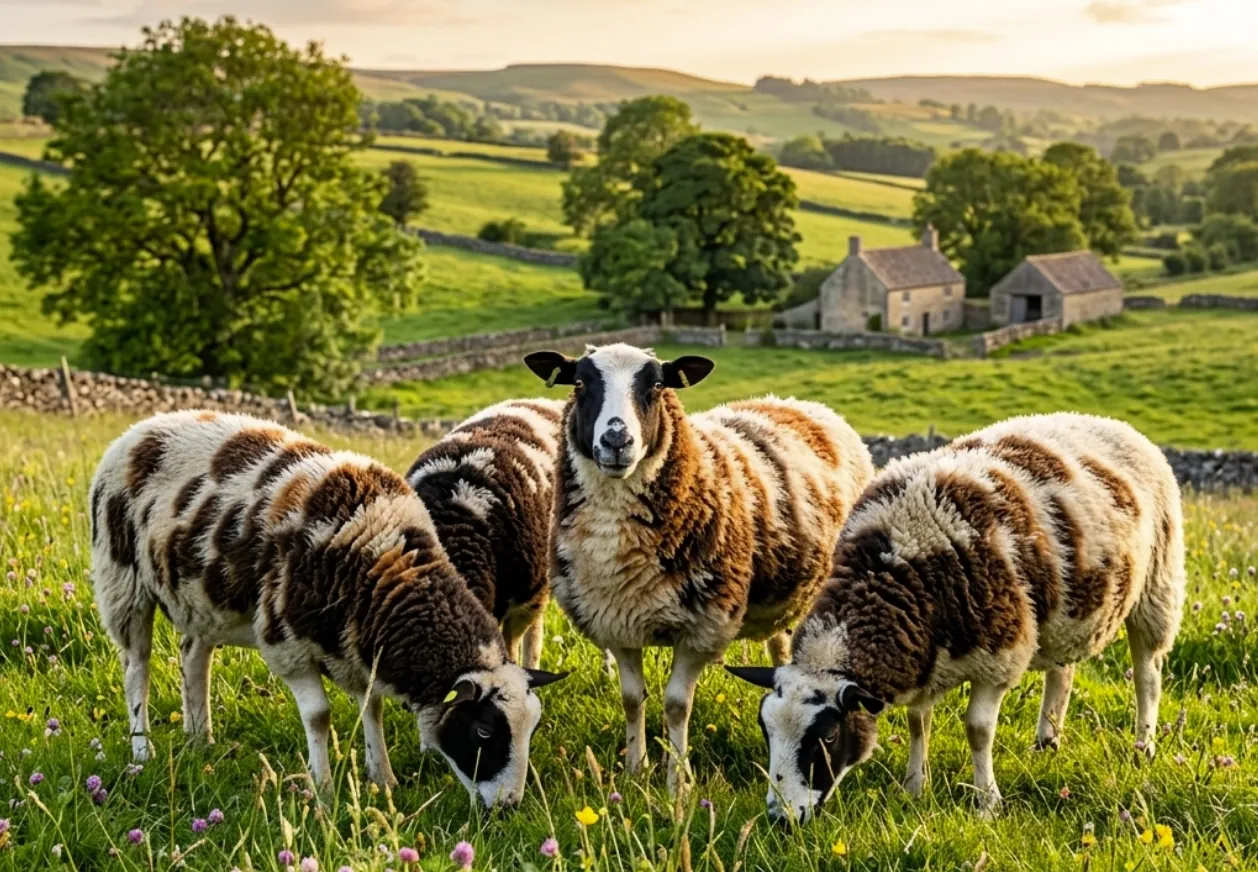
Harlequin sheep are a distinctive American miniature breed, but no two farms or individual animals are exactly alike. A good breeder conversation helps you look beyond color or a first impression. Ask about age, sex, temperament, current companions, feeding routine, fleece, health history, and the role the sheep have played in the breeder’s flock.
Be honest about your experience and intentions. Someone looking for calm companions may need a different recommendation than a fiber-focused owner or a person hoping to develop a registered breeding program. A breeder who knows the sheep can help you think through those differences before you commit, including whether lambs, mature sheep, wethers, or breeding stock are likely to fit your plans.
Plan for companionship from the beginning. Sheep are flock animals, and a suitable pair or small group gives them familiar social contact as they adjust to a new property. Ask whether there are sheep that already live well together and whether they should remain together. Starting with the right companions is far easier than trying to correct an isolated or unsettled situation later.
Ask About Records Before You Commit
Clear records matter when you are choosing Harlequin sheep. Ask the breeder whether each sheep is registered, what parentage and generation information is available, and which documents will accompany the purchase. For breeding stock, documented ancestry and generation designation are essential parts of making informed future decisions. For every owner, good records make a flock easier to understand and manage over time.
Talk through ownership transfer before the animals travel. Confirm the breeder’s process, the original Certificate of Registration when applicable, and the information you will need to keep with your own farm records. Handling this as part of the purchase gives you a clean beginning and avoids uncertainty after the sheep are already home.
The Society’s registered and non-registered sheep guide explains why a documented history matters, while the ownership transfer guide outlines the practical next steps after a registered sheep changes hands.
Let Your Farm Shape the Conversation
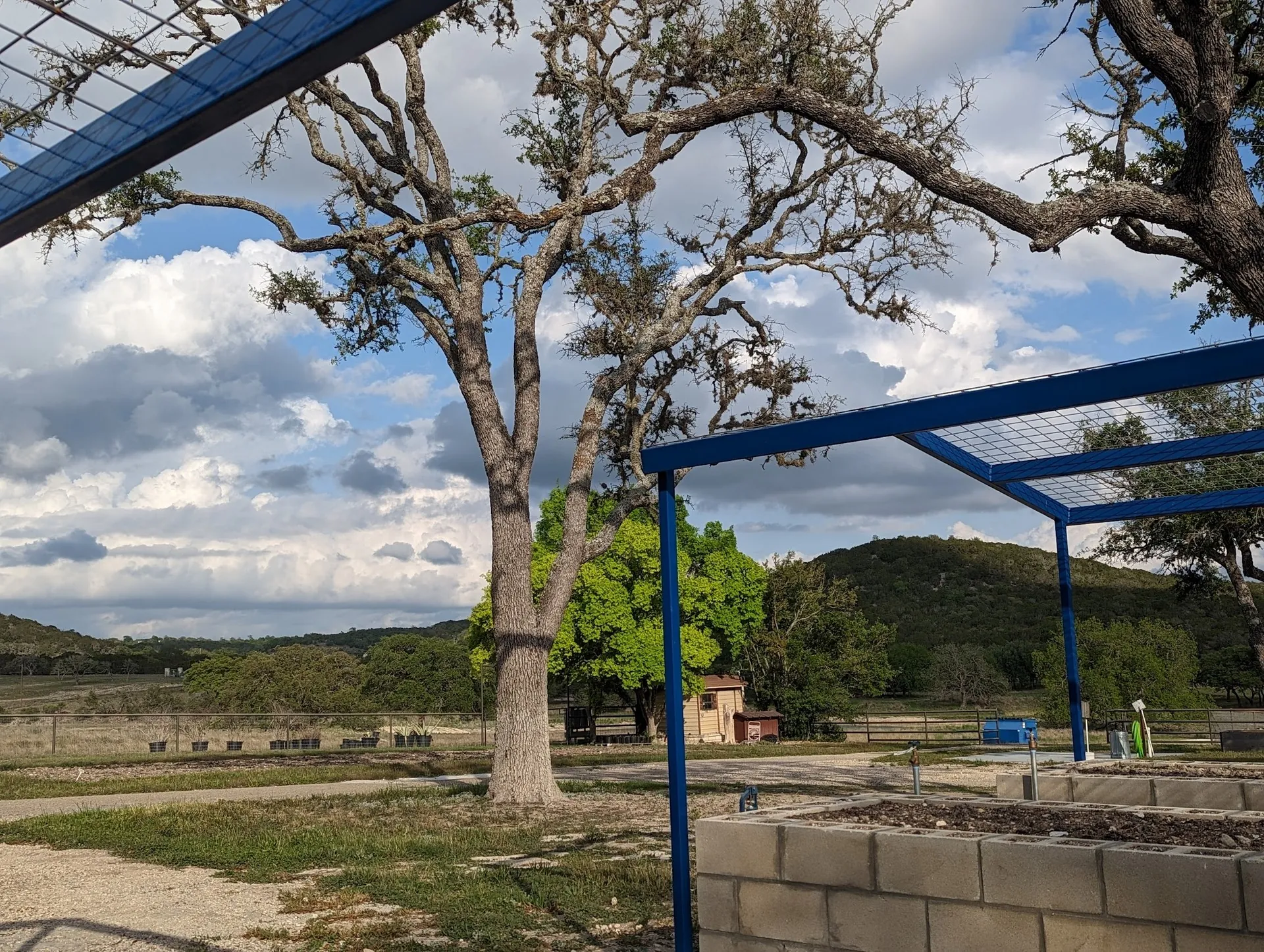
A responsible breeder will want to know that you have considered the day-to-day work of keeping sheep. Be ready to describe your fencing, shelter, water, feed storage, pasture or dry-lot space, local weather, and access to livestock care. You do not need a showplace. You need a safe, workable setup that you can maintain through ordinary chores and difficult weather.
Think through the routine before you contact a breeder. Where will the sheep sleep when conditions turn wet or cold? How will you carry hay and water? What happens at gates, corners, and the perimeter? Can you observe every animal and separate one that needs attention without cutting it off from flock contact? These practical details help a breeder assess the fit and help you spot gaps while there is still time to solve them.
HSSR’s buyer preparation guide and first-flock arrival guide can help you prepare for that conversation. Simple, dependable systems serve a new flock better than an elaborate plan that is unfinished on arrival day.
Ask About Timing, Travel, and the First Week Home
The right flock may not be the first one available, and the right arrival date may not be the earliest date on the calendar. Breeders balance lamb readiness, weather, the needs of established groups, and their own flock plans. Give the process room. Waiting for a compatible pair, favorable travel conditions, and a prepared home usually leads to a calmer transition.
Discuss pickup or delivery early. Ask about the lambs’ or sheep’s current feed, the best travel conditions, loading and unloading, health records, and what the breeder recommends for the first few days. Whether you collect the sheep yourself or arrange a professional livestock hauler, the goal is a predictable trip and a quiet, ready-to-use arrival pen.
Once the sheep arrive, let their routine stay simple. Offer the feed they know, clean water, a dry sheltered area, and time to observe their new surroundings. The safe sheep hauling guide can help you prepare travel details before the day arrives.
Build a Relationship, Not a One-Time Transaction
The best breeder relationship does not have to be complicated, but it should be candid. A good match gives you someone who can answer useful questions about the sheep’s earlier care and who wants the animals placed in a home where they can thrive. In return, a prospective owner should be open about readiness, constraints, and long-term goals.
That shared clarity benefits everyone. It helps breeders make responsible placement decisions, gives new owners more confidence in the flock they choose, and supports the careful recordkeeping that protects the Harlequin breed’s future. Start the process early, ask practical questions, and allow the right flock to be worth the wait.
Frequently asked questions
Finding Harlequin sheep breeders
How do I find Harlequin sheep breeders?
Start with the HSSR member breeder directory. It gives prospective owners a direct path to breeders raising Harlequin sheep across the United States. Contact a few breeders with a clear description of your location, experience, plans, and the home you are preparing.
When should I contact a Harlequin sheep breeder?
Reach out before you need sheep immediately. Availability follows each breeder’s lambing season, retained-stock decisions, and flock plans. An early conversation gives you time to prepare your farm and wait for a suitable pair or group.
What should I ask a Harlequin sheep breeder?
Ask about the sheep’s registration, parentage, health and feeding history, temperament, flock companions, shearing routine, transport options, and the records that will accompany the purchase. Share the practical details of your property as well.
Do Harlequin sheep breeders sell single sheep?
Each breeder makes placement decisions for their own flock, but prospective owners should plan for suitable companionship. Sheep are social animals, so a compatible pair or small group is usually a more responsible beginning than bringing home one sheep alone.