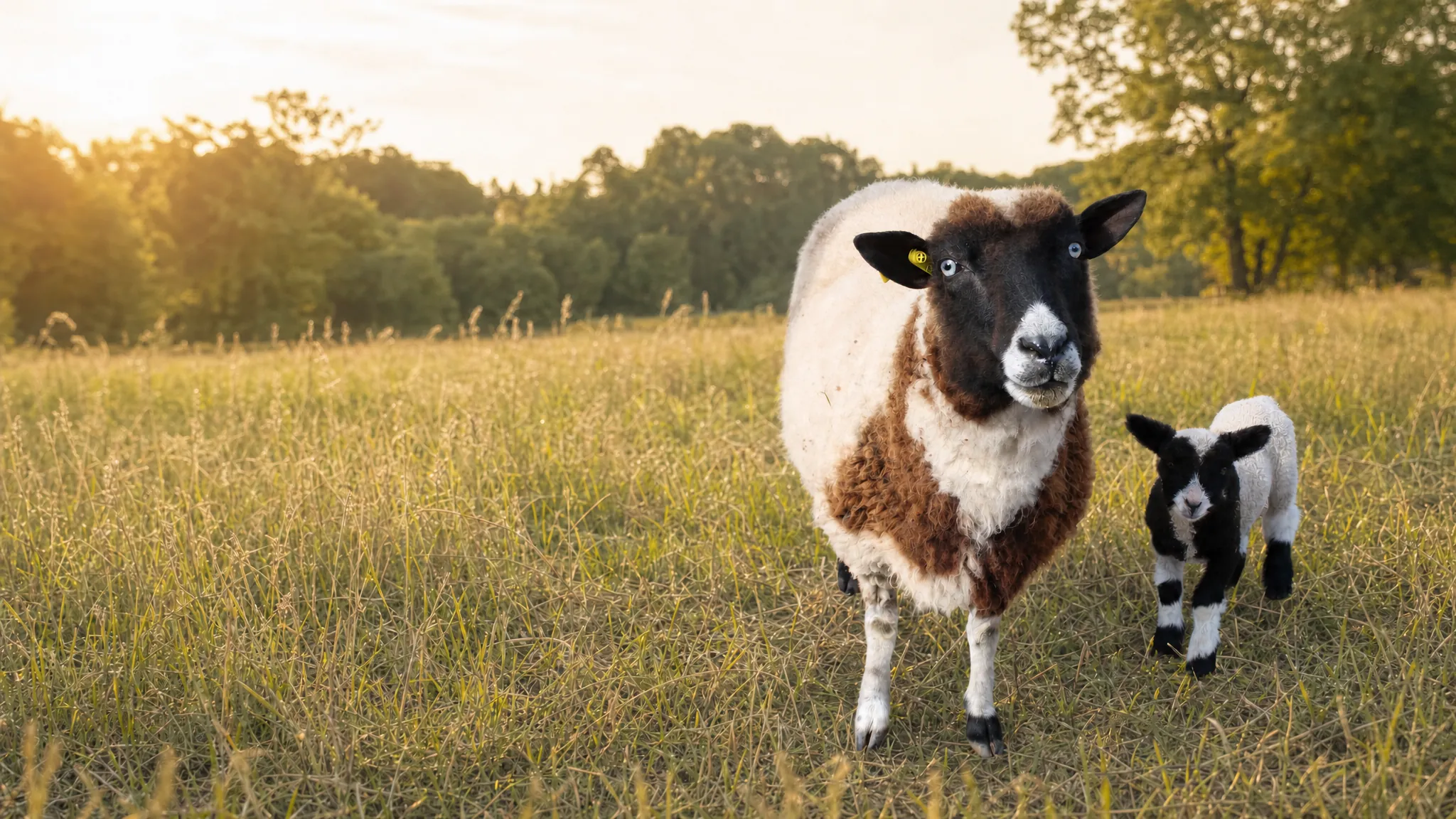
People looking for miniature sheep for sale are often searching for a flock that feels more practical for a small farm, a fiber-focused property, or a first experience with sheep. Size matters, but it is only one part of a good match. The sheep should also suit the work you are ready to do every day, the space you can manage through changing weather, and the long-term goals you have for your flock.
Harlequin sheep are a distinctive American miniature breed. HSSR's breed standard calls for a mature height under 24 inches at the shoulder, alongside a naturally polled profile, varied fleece, and a calm, engaging presence. HSSR does not sell sheep directly. The Society helps prospective owners learn about the breed and connect with member breeders who can speak honestly about their own sheep, availability, records, and the kind of home each group needs.
Start With the Right Reason for Choosing a Smaller Sheep
A smaller frame can be appealing when you want sheep that fit comfortably into a thoughtfully managed small-farm setting. Harlequins are known for their compact stature, but they are still sheep. They need room to move, secure fencing, dry shelter, forage or hay, fresh water, sheep-specific minerals, routine hoof and fleece care, and a realistic plan for veterinary support.
The best first question is not simply how small a sheep is. Ask whether you can provide a dependable flock routine. Consider the walk to the water trough in bad weather, the place where hay stays dry, the gates and corners that need regular checks, and the way you will observe every animal without making everyday care a struggle. A manageable flock begins with systems you can keep up, not a size label alone.
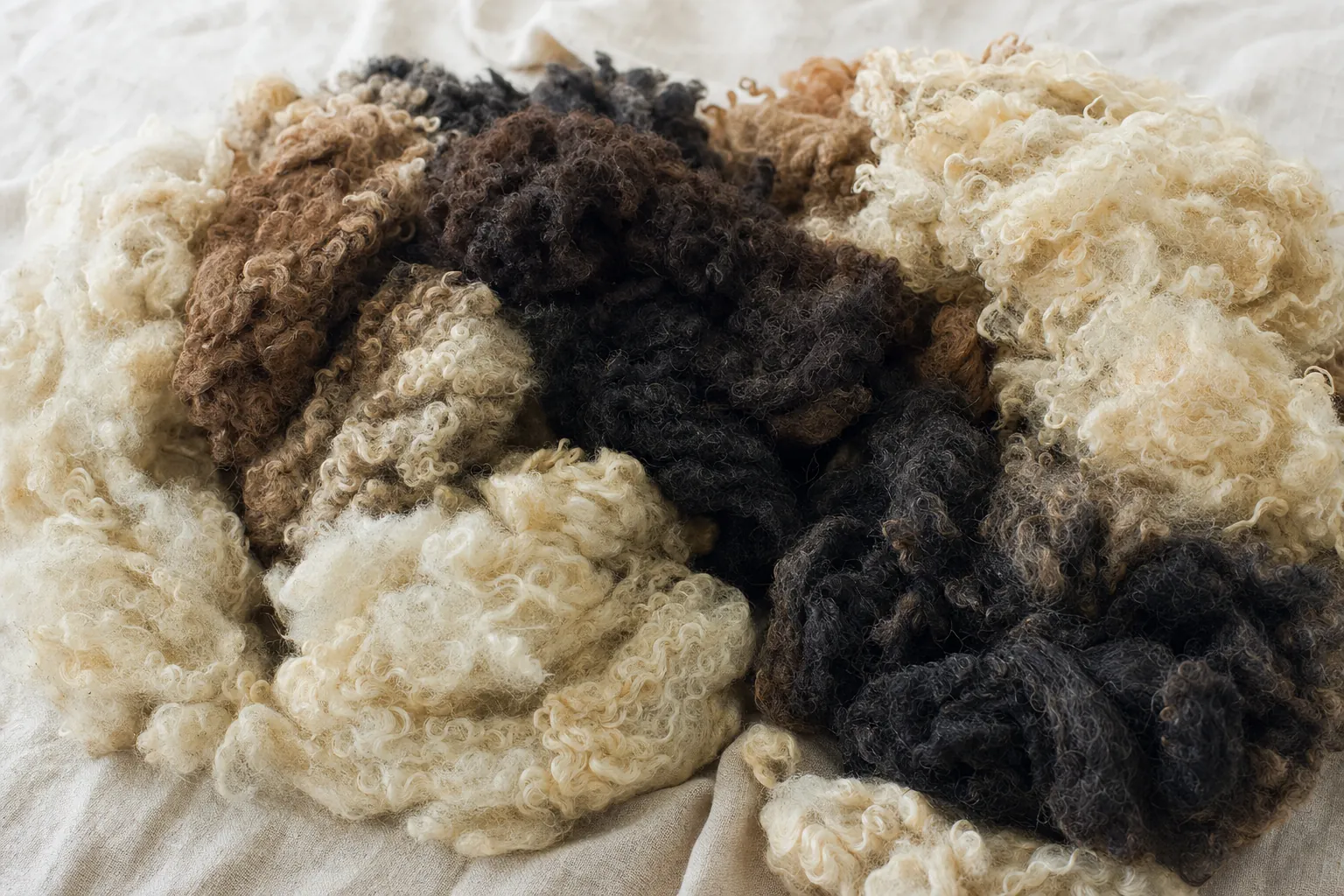
Harlequins can be a compelling choice for people drawn to a true miniature breed with distinctive fleece and a documented place in a growing American breed community. The Society's breed standard explains the characteristics that define the breed, while the buyer preparation guide helps turn general interest into a practical plan.
Choose a Breed, Not Just a Look
Online searches for miniature sheep can bring up many breeds, mixed flocks, and listings with very little context. A good purchase starts with more than a photograph or a color preference. Ask what kind of sheep you are considering, what records follow them, how they are currently managed, and what the breeder believes will help them thrive after the move.
Harlequin sheep have a look that is easy to notice, but the real value of a responsible breeder conversation is what it reveals beyond the first impression. Ask about age, sex, temperament, existing companions, feeding routine, fleece, health history, registration, and the role each animal has had in the breeder's flock. Someone looking for gentle companions may need a different recommendation than a fiber-minded owner or a person planning a registered breeding program.
HSSR member breeders are raising and stewarding the breed itself. That gives prospective owners a more useful starting point than trying to judge an animal's background from a generic listing. A breeder who knows the flock can help you decide whether lambs, mature sheep, wethers, or breeding stock best fit your experience, timing, and property.
Browse HSSR member breeders →Plan for a Flock, Not a Single Sheep
Sheep are social animals. When you see a miniature sheep for sale, the right question is usually not whether one animal is available. It is whether you can bring home a compatible pair or small group that gives each sheep the company it needs. A flock-minded purchase helps new animals settle into a more natural routine and prevents a new owner from having to solve isolation after the fact.
Ask a breeder which sheep already live well together and whether there are established pairs that should remain together. The answer may depend on age, sex, temperament, and the kind of flock you hope to keep. A smaller sheep is not a substitute for companionship, and a smaller pasture is not a reason to crowd animals. Good placement considers the whole group from the beginning.
That same thinking applies after arrival. A calm first pen, familiar feed, clean water, sheltered space, and time to observe the flock will do more for a successful transition than turning the first day into a busy event. The first-flock arrival guide and safe sheep hauling guide can help you prepare before travel begins.
Use Your Farm to Guide the Conversation
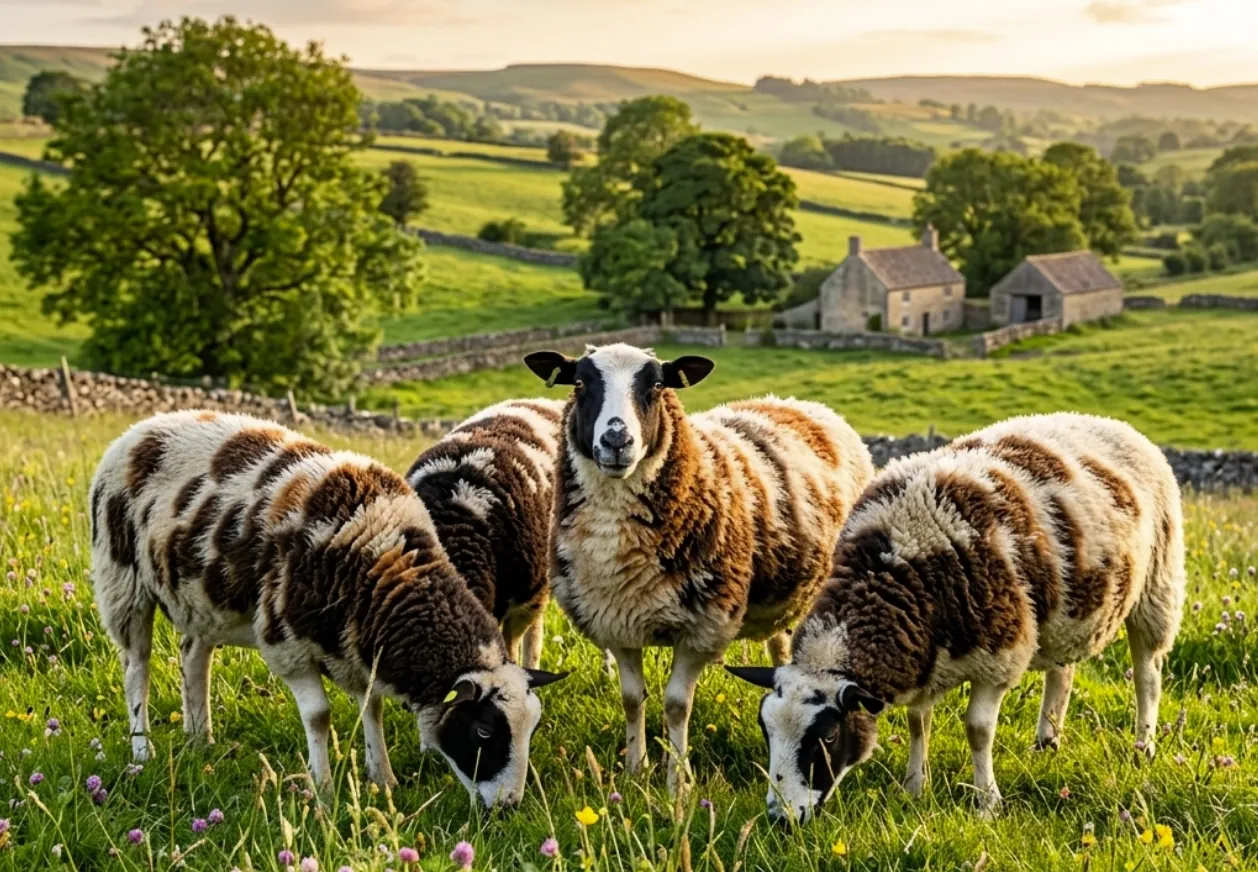
The right sheep are the sheep that fit the home you can provide. Before contacting a breeder, be ready to describe your fencing, shelter, water, feed storage, pasture or dry-lot space, local weather, and access to livestock care. You do not need a showplace. You need a safe, workable setting that you can maintain through ordinary chores and difficult conditions.
Walk the property as if the sheep had already arrived. Check gates, corners, drainage, and any opening a compact animal could find. Think about how you will move hay and water in rain or winter, where sheep can get out of hard weather, and whether you can separate an animal that needs attention without leaving it entirely alone. Those details make a breeder conversation more useful and give you time to solve gaps before you make a commitment.
The Society's land planning guide is a useful place to think through pasture, dry-lot space, feed, fencing, and seasonal changes. The goal is not to find a universal acreage promise. It is to understand what your own land can support responsibly.
Keep the Sheep's Records Clear
When you are considering Harlequins, ask what records come with the sheep. Registration, parentage, generation designation when relevant, health history, and transfer paperwork all help you understand the flock you are bringing home. For breeding stock, documented ancestry is an essential part of making future decisions. For companion and fiber flocks, clear records still give you a stronger foundation for responsible ownership.
Make ownership transfer part of the purchase conversation. Confirm which documents the breeder will provide, keep registration numbers and health records together, and handle the Society's transfer process promptly after registered sheep change hands. It is easier to begin with a clear record than to reconstruct details months later.
HSSR's registered and non-registered sheep guide explains why a documented history matters, while the ownership transfer guide outlines the next steps once the right sheep are headed to your farm.
Find a Breeder Before You Need Sheep Immediately
Availability is individual to each breeder. It follows lambing season, flock plans, retained animals, location, and the age at which a breeder believes a sheep is ready to leave. Contacting breeders before you need sheep immediately gives you room to have an honest conversation, prepare your property, and wait for a pair or group that suits your plans.
Introduce yourself clearly. Share where you live, whether these would be your first sheep, how many animals you hope to keep, what you have prepared, and when you are realistically ready for arrival. That information helps a breeder respond with useful guidance rather than a simple yes or no. It may lead to current availability, a future conversation, or a recommendation to wait until your setup is more settled.
That patience is part of a good purchase. The right miniature Harlequin flock is not simply the first one you find. It is a group whose care, companionship, records, and timing fit the life you are ready to provide.
Frequently asked questions
Miniature sheep and Harlequins
Are Harlequin sheep miniature sheep?
Yes. The HSSR breed standard calls for Harlequin sheep to stand under 24 inches at the shoulder. Their compact frame is one reason they appeal to people looking for a smaller sheep, but they still need the daily care, companionship, secure fencing, shelter, feed, and health planning of any well-kept flock.
Where can I find miniature Harlequin sheep for sale?
HSSR does not sell sheep directly. Start with the HSSR member breeder directory to connect with breeders raising registered Harlequin sheep. Availability, location, age, and the right timing vary by breeder and season.
Are miniature sheep easier to keep?
A smaller frame can make handling and housing feel more manageable, but it does not make sheep a low-maintenance animal. Every flock needs suitable companions, good fencing, weather protection, forage or hay, clean water, sheep-specific minerals, routine care, and a livestock veterinarian.
Should I buy one miniature sheep or a pair?
Plan for appropriate companionship from the beginning. Sheep are social animals, so a compatible pair or small group is usually a more responsible start than bringing home a single sheep.