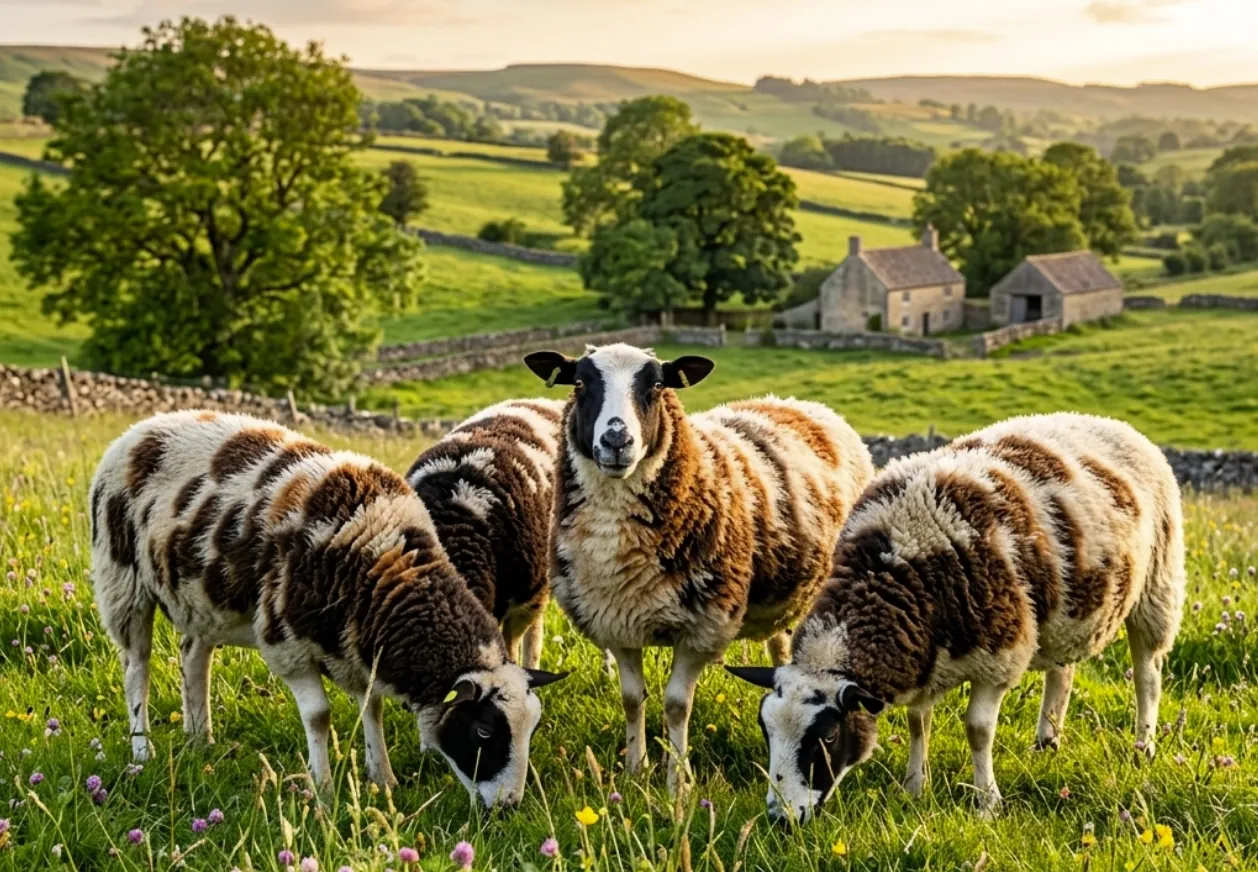
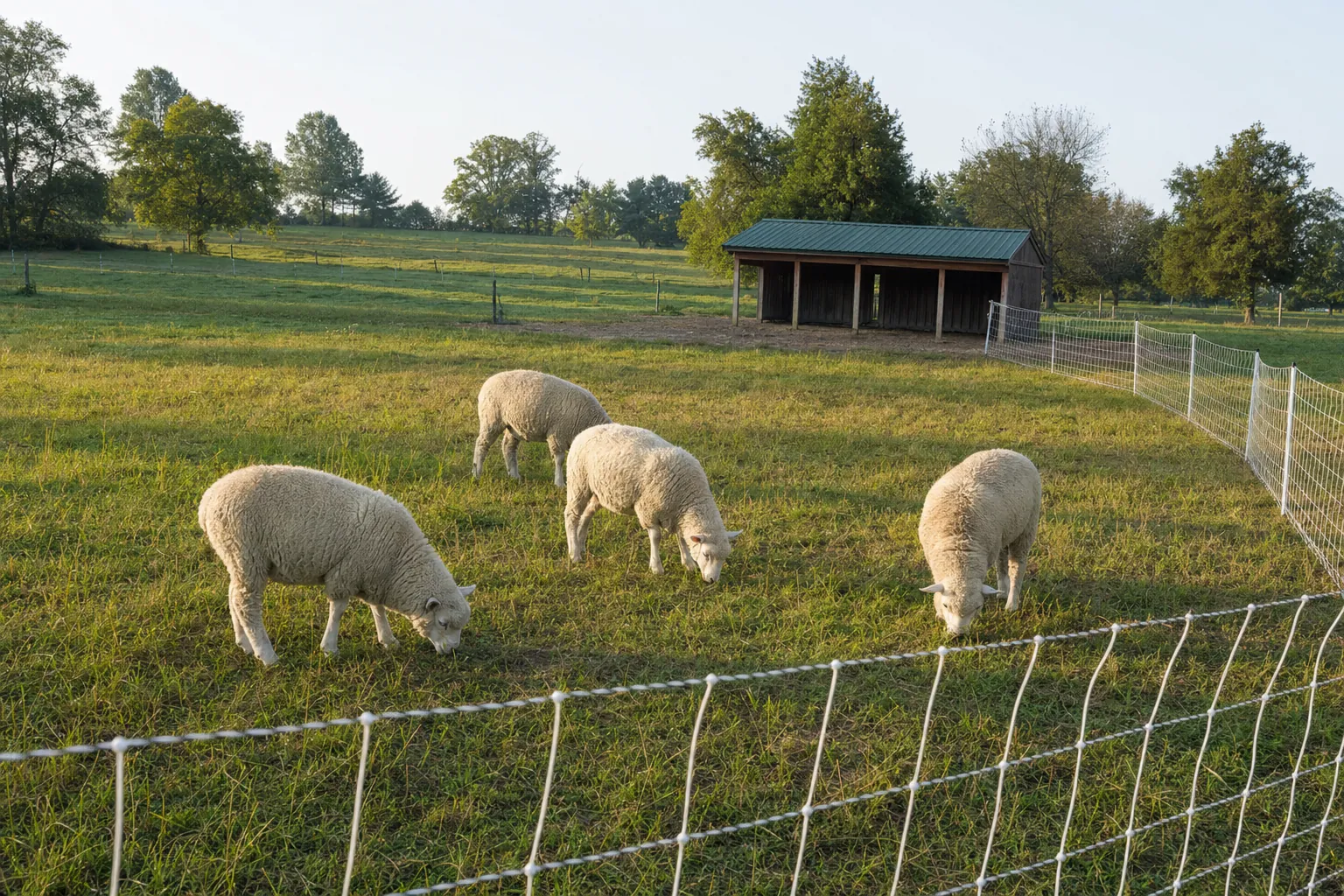
A small flock can live happily on a modest property, but acreage alone does not feed sheep. Two acres of healthy, managed grass can carry a flock very differently from two acres of thin forage, steep ground, woods, mud, or lawn. That is why the best answer begins with a plan, not a fixed number.
For prospective Harlequin owners, plan for at least two sheep, secure fencing, dependable shelter, water, hay storage, and a place to manage mud when pasture growth slows. Harlequins are compact sheep, but their need for companionship, daily care, and a safe home is not miniature.
Start With a Range, Then Learn What Your Land Can Carry
Many small-flock owners begin with a rough planning range of two to five sheep per acre on productive pasture. That can be a useful starting conversation, but it is not a stocking guarantee. A lush, well-managed field may grow far more forage than dry ground, a worn horse pasture, or a small lot in summer.
Cornell Small Farms explains that carrying capacity is the amount of forage an area can provide over time, and that it depends on the land, the animals, and how grazing is managed. Its carrying-capacity guidance is a useful reminder that pasture is a living crop, not a fixed-size feed bin.
Choose the smallest flock that fits your goals, then watch the grass, ground cover, and sheep through a full season. Add capacity only when the land, fencing, shelter, and feed routine are already working well.
Pasture Is Feed, but It Is Not the Whole Feed Plan
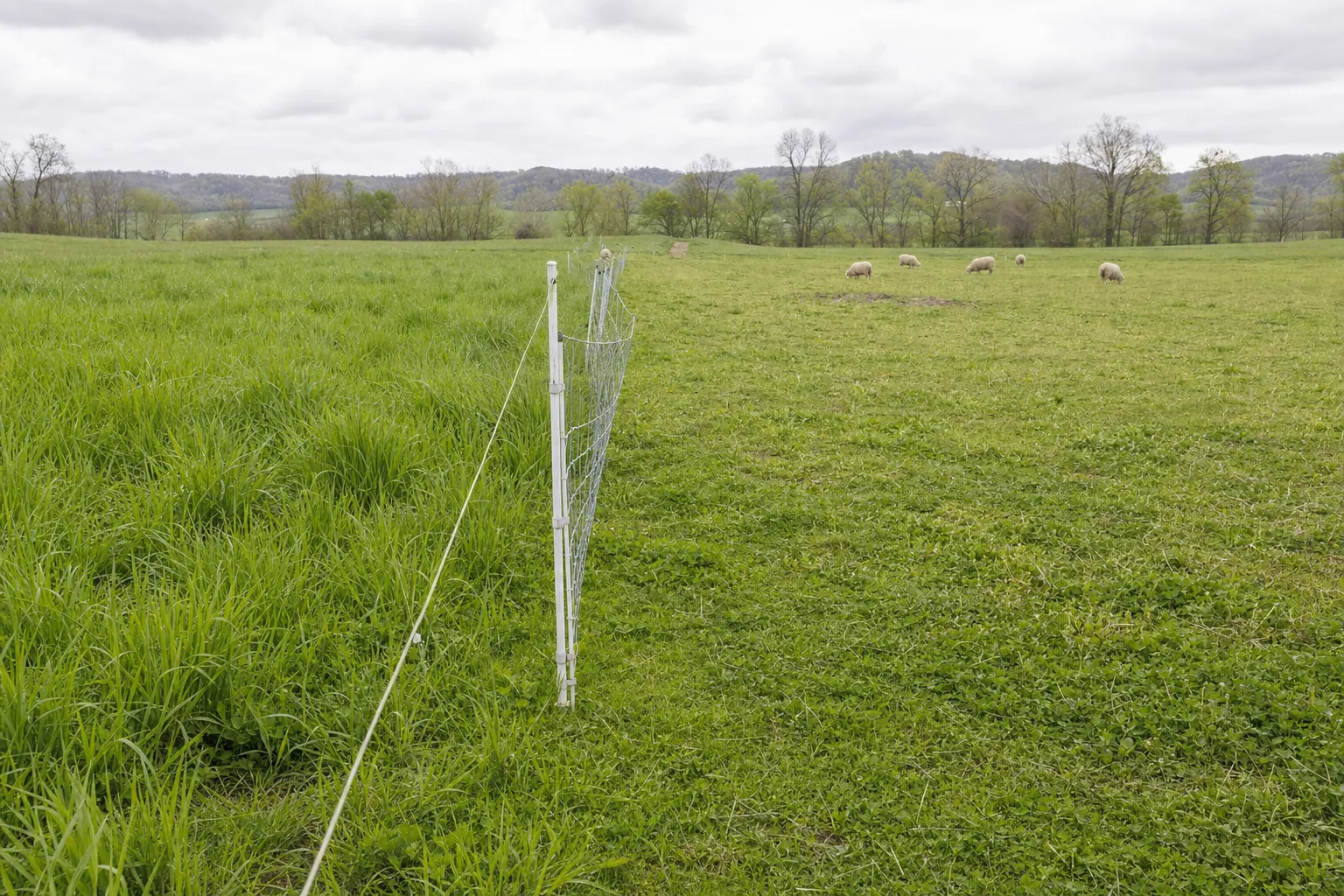
Pasture can provide valuable forage, but it needs recovery time. When sheep stay in one small area continuously, they eat the most desirable plants first and return to the same spots. That can leave bare ground, weeds, muddy gateways, and less grass for the flock.
Dividing a property into smaller grazing areas can help you move sheep before they overgraze one spot, then let that area rest. The schedule depends on grass growth, rainfall, season, and how quickly the flock eats the available forage. When grass is short, stressed, or slow to regrow, move the flock, feed hay, or both.
California’s small-acreage sheep resource is a useful starting point for owners who want to understand how forage and grazing management work together.
Have a Hay Plan and a Dry-Lot Area
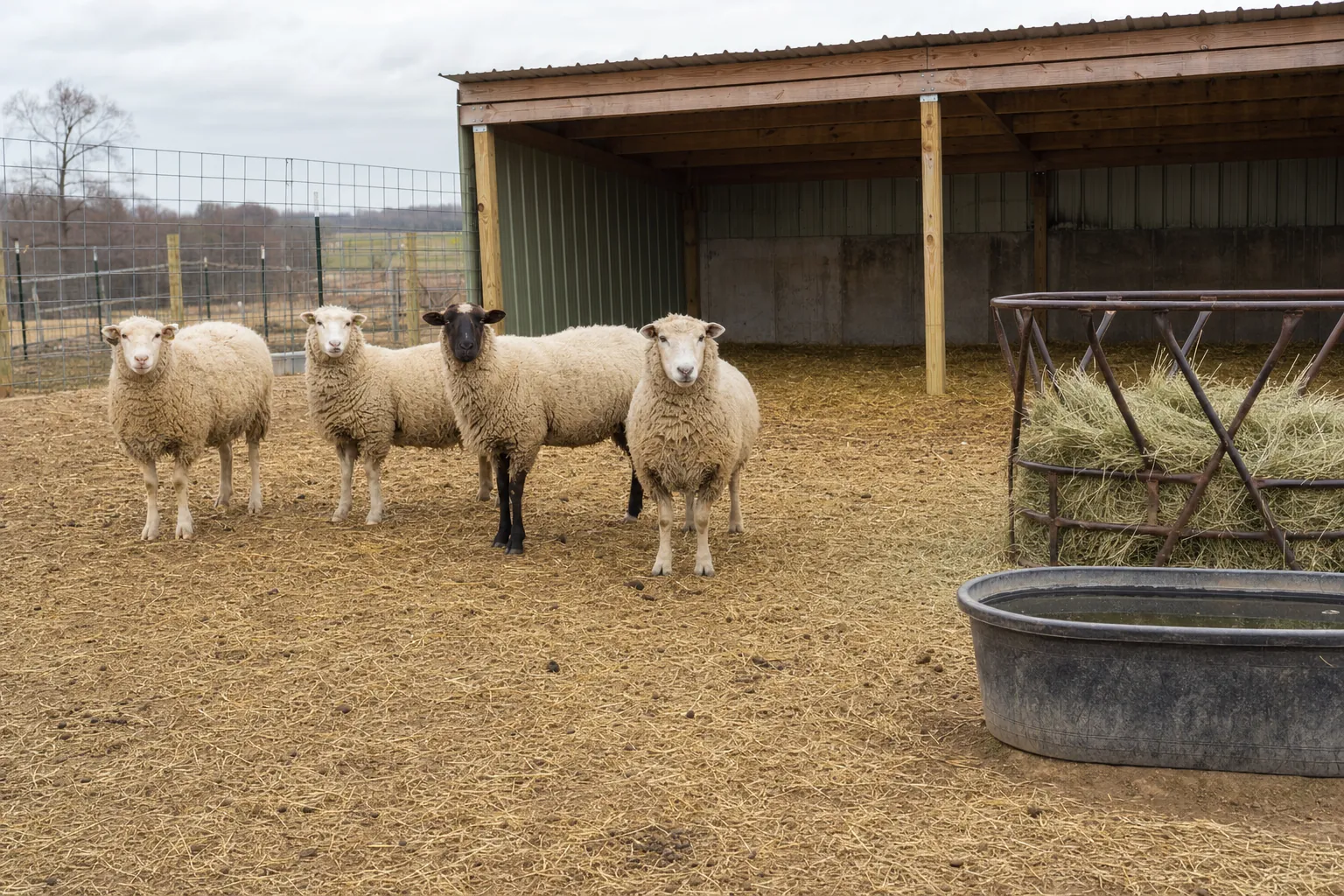
Every small flock needs a backup feed plan. Pasture growth slows in cold weather, dry weather, drought, and periods when you need to protect the ground from hoof damage. Hay bridges those gaps and lets you reduce grazing pressure before the property gets ahead of you.
A dry-lot, sometimes called a sacrifice area, is a designated space where sheep can stay when pasture needs protection. Choose the best-drained area you have, keep water and hay easy to reach, and manage manure and footing consistently. It protects the part of the property you hope will grow forage later.
HSSR’s sheep shelter guide can help you plan dry footing, airflow, access, and a working layout.
Fencing and Water Take Up Real Space Too
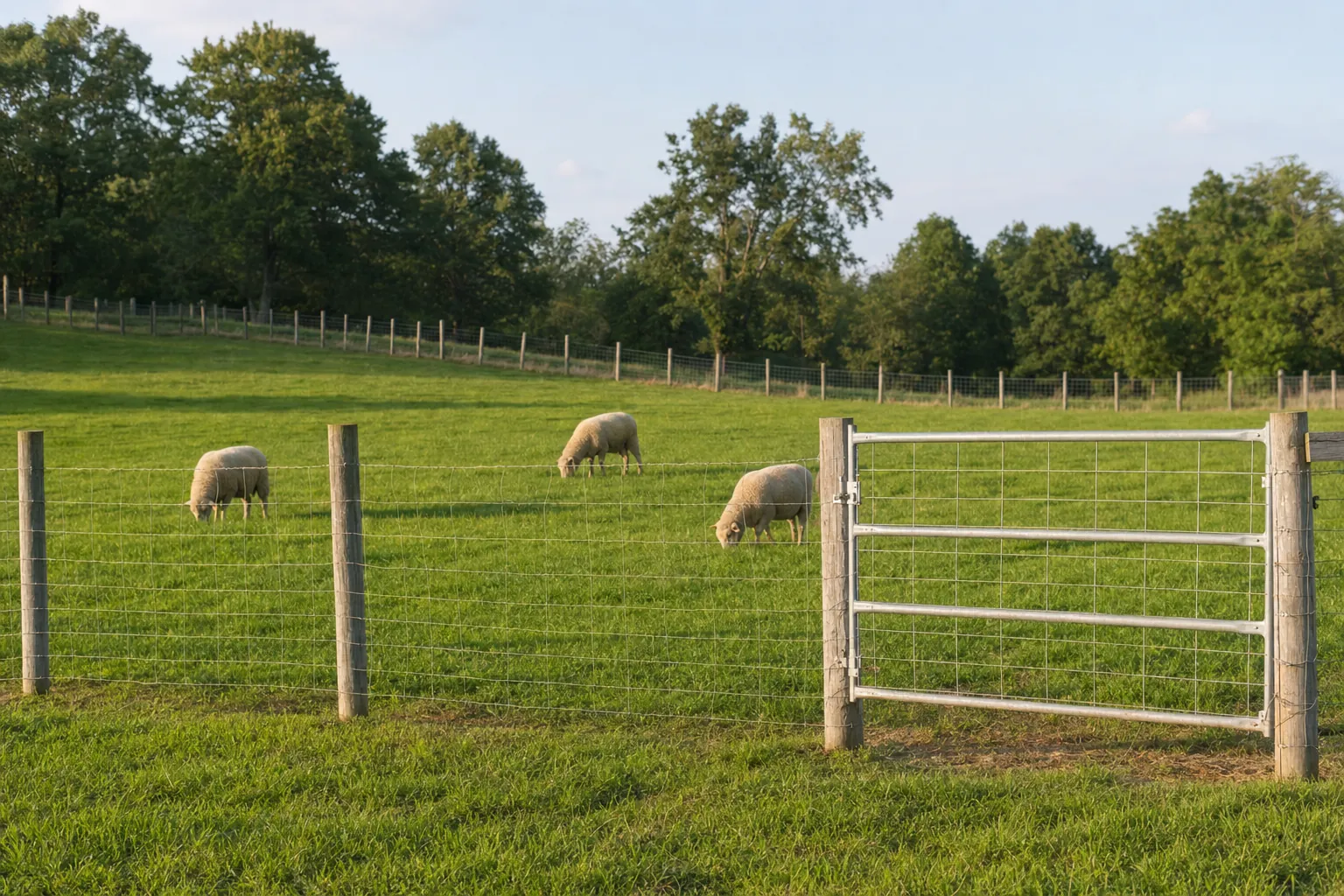
Usable sheep land is not the number shown on a property listing. Subtract the house, driveway, woods, ponds, steep banks, septic areas, and spaces you cannot fence safely. Then think about gates, lanes, water, shade, shelter, and a handling pen. Those details determine whether you can move sheep calmly and care for them efficiently.
Secure fencing belongs in the first budget, not the later wish list. HSSR’s predator protection guide explains why fencing, gates, routine checks, and a plan suited to your setting are the foundation of flock protection.
Match the Plan to Your Harlequin Goals
Harlequins are an appealing choice for small farms because of their compact frame, naturally polled profile, distinctive fleece, and thoughtful breed community. Their manageable size can make a small flock feel more achievable, but it should never be read as permission to crowd sheep or outgrow the land.
HSSR’s buyer preparation guide, breed standard, and Learning Center can help you build a responsible first-flock plan. When you are ready to discuss individual sheep, use the HSSR member breeder directory.
A Small-Flock Land Checklist
Before bringing sheep home, make sure you can say yes to these questions:
- Can I keep at least two sheep with enough room to rest, eat, move, and stay together?
- Do I know which part of the property is truly usable pasture?
- Do I have secure fencing, dependable water, and a dry shelter area?
- Can I store and feed hay when pasture growth slows or the ground is wet?
- Do I have a protected area where pasture can rest or sheep can stay during mud and bad weather?
Land does not have to be large to be a good sheep home. It does have to be planned, maintained, and supported with feed and care when the pasture cannot do all the work.
Frequently asked questions
Sheep land and pasture questions
How much land do two sheep need?
Two sheep can live on a small property when there is secure fencing, dry shelter, water, a hay plan, and a way to protect pasture when it is wet or slow-growing. Productive acreage varies too much by location and management for one exact number to fit every property.
Can sheep live on one acre?
One acre may work for a very small flock in some settings, but it generally requires attentive management, reliable hay feeding, mud control, and careful protection of the ground.
How many sheep can graze on an acre?
There is no universal answer. The real number depends on forage growth, rainfall, soil, season, rotation, hay feeding, and how much of the acre is actually safe and usable.