
Sheep are ruminants, built to turn fibrous plants into energy. For a healthy adult flock, that usually means grass, other suitable pasture plants, and good hay when pasture is not enough. Grain, treats, and supplements can have a place, but they should not crowd out the forage that keeps the rumen working normally.
For a new Harlequin owner, the most dependable starting point is simple: keep forage available, provide fresh water and sheep-specific minerals, make all changes gradually, and learn the routine from the breeder who knows the flock. The exact ration should change with the sheep's age, body condition, pregnancy or lactation status, pasture quality, weather, and veterinary advice.
Start With Forage, Not a Bag of Feed

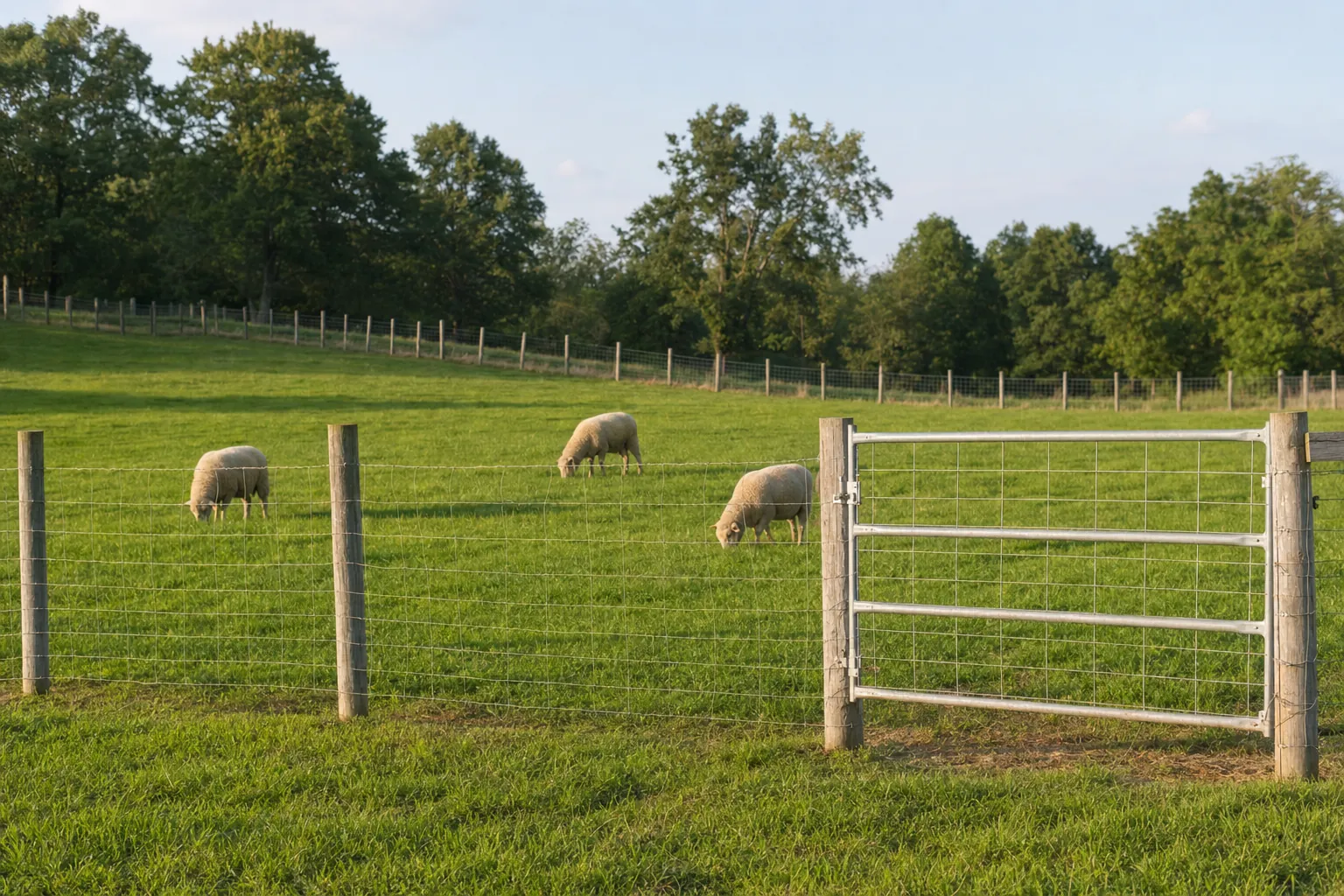
Grass pasture is often the foundation of a sheep's diet. Sheep naturally select grasses, broadleaf plants, and legumes as they graze. The mix changes by season and region, which is why a field that looks green is not automatically supplying the same nutrition in spring, summer, and fall.
Good pasture management protects both the land and the flock. Sheep should not be left to graze a small area down to bare ground, then expected to recover on their own. Moving the flock, resting a paddock, or feeding hay when growth slows helps preserve forage and reduces the mud and parasite pressure that can build in overused areas. Cornell Small Farms' carrying-capacity guidance explains why the land, animals, and grazing plan all shape what a pasture can provide.
HSSR's small-flock land guide can help you think through usable pasture, rotation, dry-lot space, and hay storage before the grass gets short.
Hay Covers the Gaps
Hay is not a failure of pasture. It is the normal backup that keeps a flock fed when grass is dormant, drought-stressed, covered by snow, recovering from grazing, or simply not growing fast enough. Small-flock owners should expect to feed hay during parts of the year, even when they have attractive green fields.
Choose clean, dry hay that smells fresh and has not become dusty, moldy, or wet. Store it where rain and ground moisture cannot spoil it, and feed it in a way that keeps as much as possible off the ground. A feeder can reduce waste, but it also needs enough space that timid sheep are not pushed away at mealtime.
There is no single best bale for every flock. Grass hay is a common everyday choice, while a veterinarian or livestock nutrition professional may suggest a different forage or added energy for growing lambs, late-pregnancy ewes, nursing ewes, thin sheep, or animals facing demanding winter weather. The University of Wisconsin-Madison Extension's healthy sheep guidance reinforces that a flock's nutritional needs change with its stage of life and management.
Use Grain Carefully, When There Is a Real Need
Many healthy adult sheep can meet much of their daily need with good forage, water, and minerals. Grain is not a default requirement just because sheep enjoy it. It is a concentrated feed, which means it should be introduced and measured with a clear purpose rather than used as a casual treat.
A growing lamb, a ewe with high nutritional demand, or a sheep whose body condition needs support may need a carefully planned concentrate ration. That decision should be made with the breeder, veterinarian, or a qualified sheep nutrition professional who can consider the whole diet. Adding a large amount of grain quickly can upset the rumen and create a serious health problem.
Be especially cautious with mixed livestock feeds. Feed formulated for another species may not suit sheep. Keep feed in secure containers, make changes slowly, and watch each animal at feeding time. A small flock makes it possible to notice who is eating, hanging back, losing condition, or suddenly acting differently.
Sheep Need Sheep-Specific Minerals

Minerals are a small part of the feeding setup, but they are not an afterthought. Sheep need a mineral product made for sheep and suited to the conditions in their area. A veterinarian, breeder, or extension educator can help you choose one when local forage, water, or soil conditions call for special attention.
Do not assume that a goat mineral is safe for sheep. Sheep can be sensitive to excess copper, and a product designed for goats or cattle may not be appropriate for a sheep flock. Keep minerals dry, clean, and available in a feeder that sheep can reach without contaminating it with manure or rain.
Minerals cannot make up for poor forage, stale water, or an unbalanced ration. They work best as one part of a consistent daily system: forage first, water always, minerals accessible, and changes made carefully.
Fresh Water Belongs in Every Feeding Plan

Water is part of the ration, not a separate chore. Sheep need clean, dependable access every day, and their intake can rise with heat, dry forage, milk production, activity, and the amount of salt or mineral they consume. Check troughs and buckets daily, and pay attention to water that is frozen, fouled, empty, too warm, or hard for a timid sheep to reach.
Place water where you can clean and refill it easily without turning the resting area into mud. In hot weather, shade and regular checks matter. In freezing weather, a plan for thawed water matters just as much. HSSR's sheep shelter guide covers the dry footing, shelter access, and daily setup that make routine care more manageable in difficult conditions.
If a sheep suddenly drinks far more or far less than usual, loses appetite, isolates itself, or looks weak, do not try to solve the problem with a new feed product. Contact a veterinarian promptly.
Treats, Garden Extras, and Plants Need a Careful Eye
Sheep may eagerly eat a snack, but appetite is not proof that it is useful or safe. Treats should stay small and occasional so they do not replace forage or teach sheep to crowd people at the gate. Large servings of grain, bread, fruit, or kitchen scraps are a poor substitute for a balanced sheep diet.
Pastures, yards, and fence lines can also contain plants that do not belong in a sheep diet. Before offering trimmings or allowing access to a new area, identify what grows there. Remove access to toxic ornamental plants, fallen tree leaves, lawn clippings, and anything treated with herbicides or pesticides. When in doubt, leave it out and ask a local veterinarian or extension office for help identifying the plant.
That same caution applies when a flock arrives at a new home. The first-flock arrival guide and buyer preparation checklist can help you prepare feed, water, shelter, fencing, and a calm transition before sheep step off the trailer.
Make Feed Changes Slowly
Sheep thrive on steady routines. A sudden switch in hay, pasture, grain, or mineral product can be harder on the digestive system than a gradual transition. When you need to make a change, introduce the new item in measured amounts while observing manure, appetite, behavior, and body condition.
Keep simple notes on what the flock is eating, where they are grazing, and when you change hay or feed. Those notes are valuable when seasons change or when you need a more useful conversation with a veterinarian. They also help you see patterns that are easy to miss in daily chores, such as one animal losing condition or a field no longer keeping up with the flock.
Forage quality, flock size, weather, breeding plans, and local veterinary advice should shape the final plan. There is no prize for making a feeding routine complicated. The goal is a calm, repeatable system that keeps sheep eating well and lets you spot a problem early.
Build a Feeding Plan Around Your Harlequins
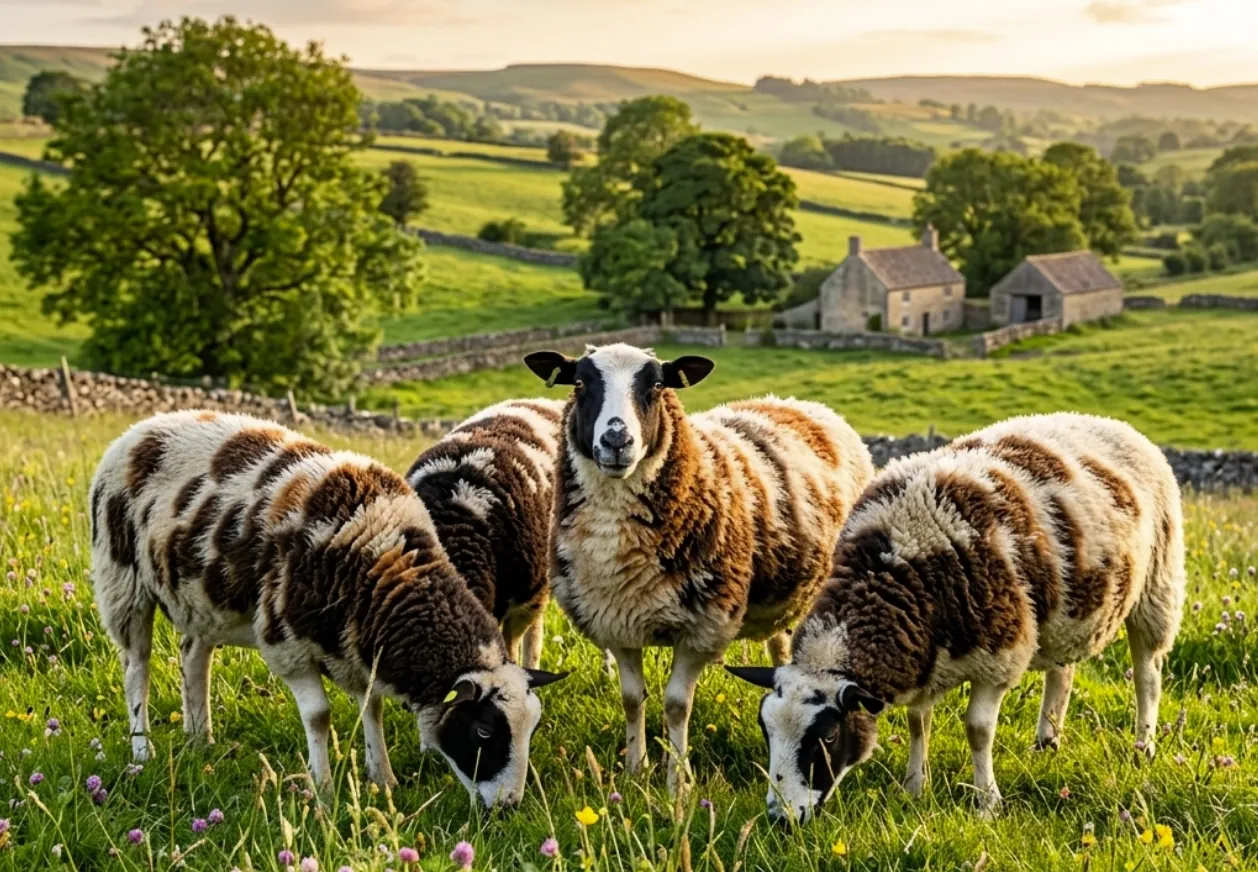
Harlequins are compact sheep, but a smaller frame does not mean their care can be improvised. They still need companionship, reliable forage, clean water, appropriate minerals, secure shelter, and close daily observation. The best routine is one you can maintain through a busy week, a wet spell, and the season when pasture gives you the least help.
HSSR's Learning Center, breed standard, and fiber guide can help you understand the breed and plan for its long-term care. When you are choosing a first flock or adding sheep, the HSSR member breeder directory gives you a direct path to people who can discuss the sheep, their current routine, and the preparation your property needs.
A Simple Sheep Feeding Checklist
Before bringing sheep home, make sure you can say yes to these questions:
- Do I have dependable pasture or a supply of clean, suitable hay?
- Can every sheep reach forage without being pushed away?
- Is fresh water available and easy to check every day?
- Do I have a sheep-specific mineral product kept dry and accessible?
- Do I know who to call before making a major diet change or responding to a health concern?
- Can I protect the pasture and feed hay when grass growth slows?
- Do I have a calm plan for keeping the flock on a consistent routine after arrival?
Sheep feeding is at its best when it is steady and observant. Start with forage, keep water and minerals available, make changes slowly, and seek professional advice whenever an individual sheep's needs are different from the rest of the flock.
Frequently asked questions
Sheep feeding questions
What is the main food for sheep?
For most sheep, the main food is forage: pasture plants when they are available and suitable hay when pasture cannot meet the flock's needs. Fresh water and sheep-specific minerals should also be available every day.
Can sheep eat grain every day?
Some sheep may need a measured grain ration for a specific reason, but grain is not the default foundation for every flock. It is concentrated feed and should be introduced gradually and planned with a veterinarian, breeder, or qualified sheep nutrition professional when individual needs call for it.
Can sheep have goat minerals?
Do not assume goat minerals are appropriate for sheep. Sheep can be sensitive to excess copper, so use a sheep-specific mineral product and ask a veterinarian, breeder, or local extension educator for guidance when you are unsure.
Do sheep need hay if they have pasture?
Usually, yes. Hay is a normal part of responsible flock management when grass is dormant, dry, snow-covered, recovering from grazing, or not growing fast enough for the flock. A hay plan also gives you a backup during weather changes and pasture rest periods.