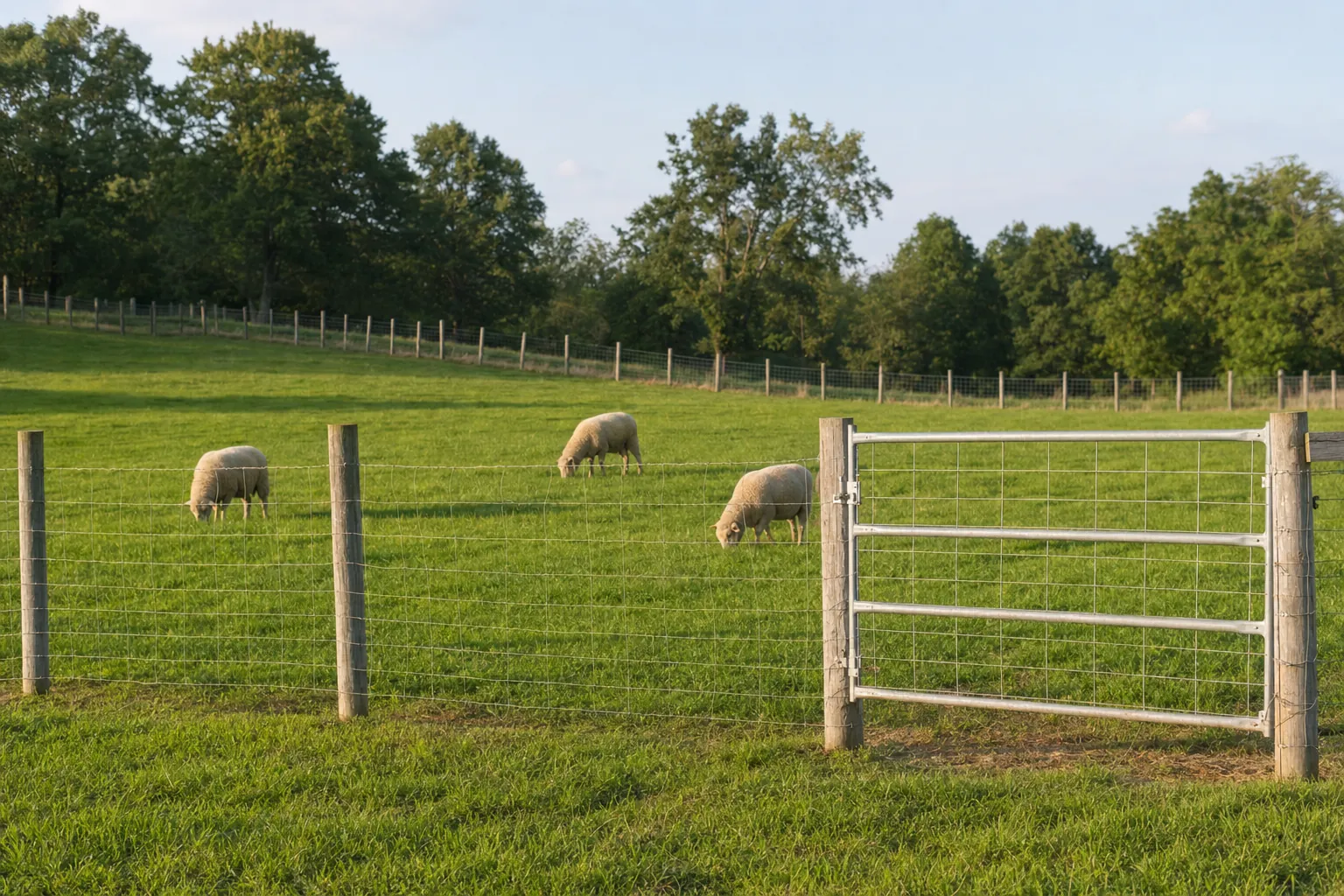
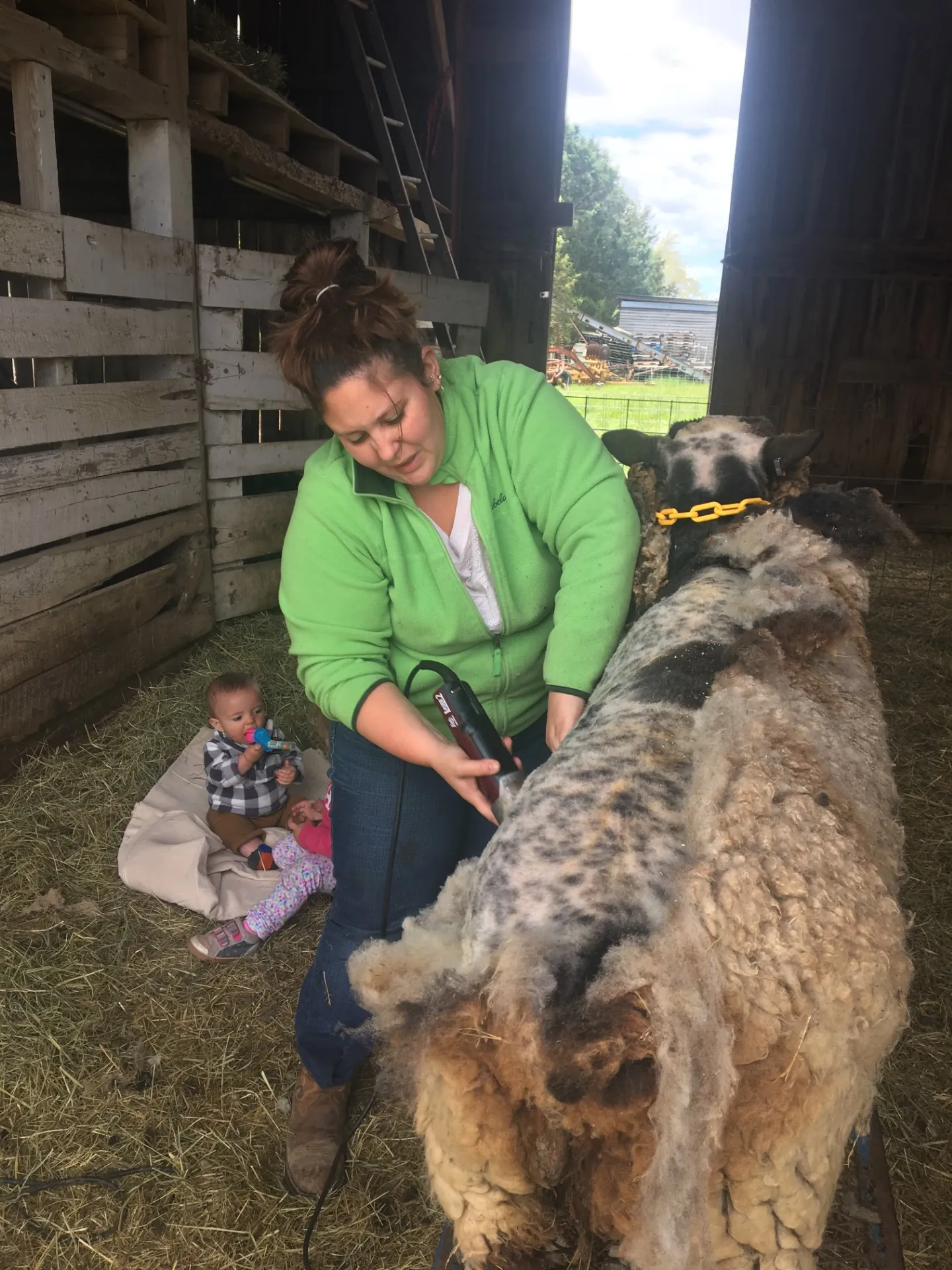
New shepherds often ask when they should schedule the shearer, then discover that the more useful question is how shearing fits into the flock’s whole year. A wool sheep needs a reliable plan before the fleece becomes a problem, not after. Timing affects comfort in warm weather, the cleanliness of the fleece, access to a ewe’s udder at lambing, and the conditions a shorn sheep will face afterward.
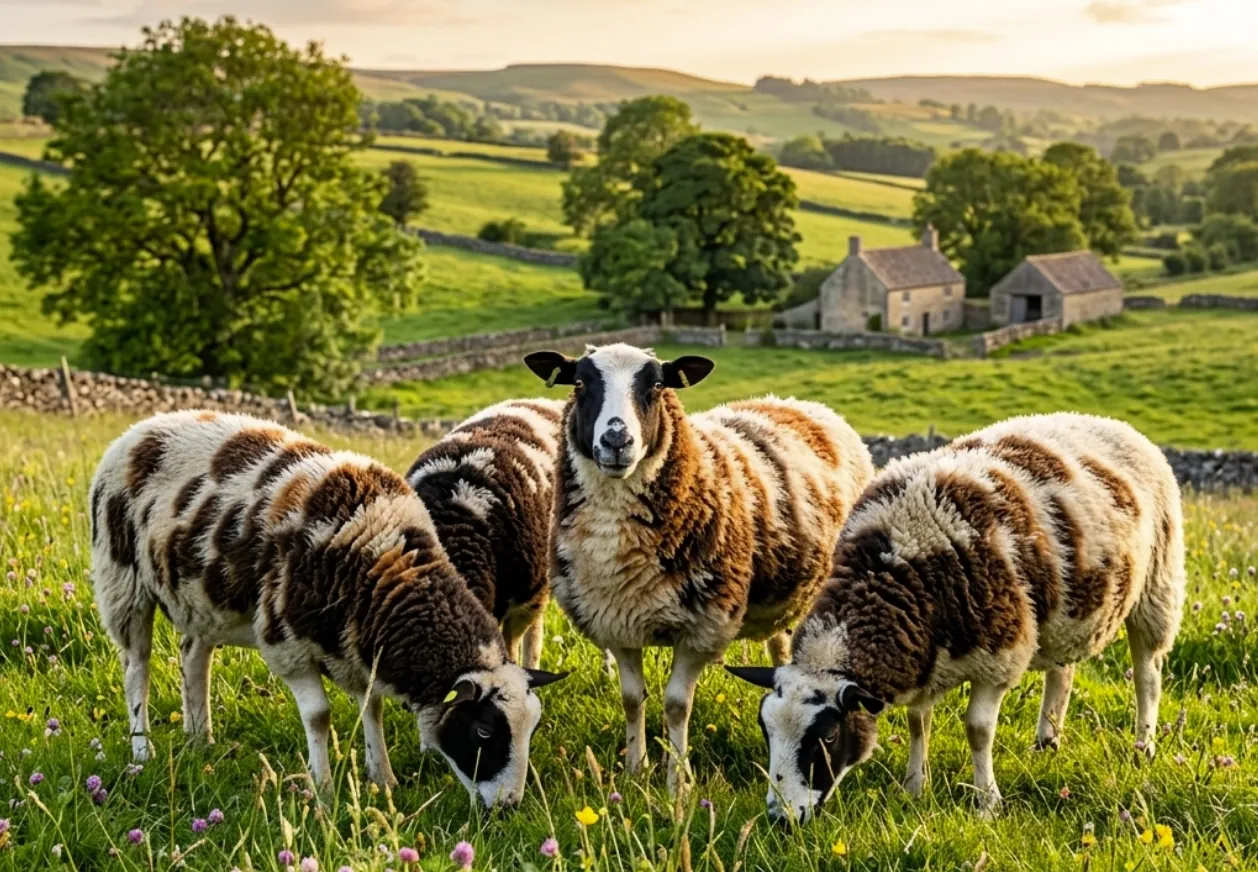
For most wool sheep, the baseline is simple: plan to shear at least once each year. From there, work backward from your climate, lambing season, pasture routine, and the availability of a capable shearer. Harlequins have a distinctive wool coat, so a calm, well-organized shearing day also helps protect the fleece and makes the experience easier for both sheep and shepherd.
Start With the Annual Rule
Wooled sheep should be shorn at least once a year. The University of Wisconsin-Madison Extension makes that distinction clearly in its healthy sheep guide: hair sheep may shed much of their coat, while wool sheep need annual shearing. Harlequins are a wool breed, so shearing belongs on the annual flock calendar alongside health checks, hoof care, pasture planning, and breeding decisions.
Annual does not mean the same date is right for every flock. A sheep kept in a mild climate with spring lambs may be shorn on a different schedule from a sheep in a cold northern area or a flock managed for fall lambing. The right date gives the sheep enough time to grow a protective cover before difficult weather while avoiding the stress of carrying an overgrown fleece into heat, mud, or lambing.
Use your own recordkeeping to make the decision easier each year. Note the shearing date, weather, ewe breeding dates, lambing dates, body condition, and anything that made the day harder or easier. A simple flock record prevents shearing from becoming a last-minute scramble. It also helps you have a better conversation with your breeder, veterinarian, or shearer when your circumstances change.
Match Timing to Weather and Shelter
A fleece gives a sheep important insulation. Once it is removed, the flock needs protection from cold rain, strong wind, sudden temperature drops, and wet bedding. That does not mean sheep should stay in heavy wool until hot weather arrives. It means the shearing date should be paired with a realistic shelter and weather plan.
Before booking a date, ask what the forecast is usually like in your area during the weeks after shearing. Is a dry run-in shed available? Can sheep get out of the prevailing wind? Is there enough clean bedding for a cold snap? HSSR’s sheep shelter guide can help you review the practical details, including dry footing, airflow, drainage, and a sheltered resting space.
When sheep are shorn during colder conditions, their feed needs can rise as they work harder to stay warm. Wisconsin Extension specifically notes that winter shearing calls for adequate shelter and that shorn sheep exposed to cold will increase feed intake. That is why a shearing date should never be chosen only because it is convenient for people. The flock needs a warm, dry plan for the days that follow.
Think Ahead to Lambing
For a breeding flock, lambing is often the most important factor in the calendar. Long wool around a ewe’s udder can make it harder for a newborn lamb to find a teat and nurse. Many shepherds therefore shear shortly before lambing, using the date to make the ewe easier to observe and the udder easier for a lamb to find.
The exact lead time should fit your climate, expected lambing window, and housing. A ewe shorn too close to a severe weather event without suitable shelter may be uncomfortable. A ewe shorn much too early may have more wool than you want when lambs arrive. Your veterinarian or an experienced local shepherd can help you choose a practical window for the way your farm operates.
Do not treat a pre-lambing schedule as a universal rule. If you do not breed your sheep, or if your local conditions make another season safer, a different plan can be right. The important thing is to choose the date deliberately. For first-time owners, it is worth asking the breeder when the sheep were last shorn, whether they are bred, and what schedule they have followed successfully in that climate.
Book the Shearer Before You Need One
Good shearers are often booked well before the busiest spring weeks. Small flock owners have an extra challenge because many professionals need to group several nearby farms into one efficient route. Calling once the weather turns warm can leave you with fewer choices and a date that does not fit the flock.
Start early, especially if this is your first season. Ask local sheep owners, your extension office, livestock veterinarian, breed contacts, and nearby fiber groups for names. Tell the shearer how many sheep you have, where you are located, whether any animals are pregnant or difficult to handle, and what kind of space is available. Clear details help both sides decide whether the visit is a good fit.
Shearing is physically demanding, and learning to do it safely takes practice. Penn State Extension’s beginning shearing guidance is useful for understanding the work, but watching a skilled professional on your own flock is often the best place to start. You can learn how sheep move, how the fleece comes off, and what a well-prepared setup looks like without turning your sheep into a training exercise.
Prepare the Sheep and the Working Area
A smooth shearing day starts the day before. Confirm the arrival time, ask the shearer what they need, and make the sheep easy to catch and move. A dry, clean, well-lit working area makes a major difference. Sheep should not be shorn while wet, and a muddy approach makes handling harder for everyone.
Set up a small holding pen near the work area so you are not chasing sheep across a field one at a time. Keep gates clear, remove unnecessary clutter, and make sure there is a practical way to move the shorn sheep into a protected area afterward. Sheep move best when they can stay close to other sheep, so handling them quietly in small groups reduces stress.
Ask the shearer about feed and water management before the appointment rather than guessing. The advice may depend on the time of day, the flock, the travel distance, and the shearer’s own working method. Make sure fresh water is available after shearing, then observe the flock as it settles. A sheep that seems unusually weak, distressed, or unable to keep up deserves prompt attention from a veterinarian.
Keep Biosecurity in the Plan
A shearer may visit several farms in a day, so cleanliness matters. When possible, work from healthy young sheep to older sheep, and leave potentially sick animals until last. That simple order reduces the chance of carrying problems from one group to another.
Tell the shearer in advance if a sheep has a health concern, active lameness, skin issue, or a history that makes handling more difficult. Do not hide a problem in hopes that the day will go faster. Clear communication allows the shearer to plan, helps protect the rest of the flock, and keeps the animal from being pushed through a routine that is not appropriate for its condition.
Keep new additions and unfamiliar sheep separate from your established flock according to your veterinarian’s biosecurity plan. HSSR’s first-flock arrival guide and buyer preparation checklist both reinforce that good sheep care begins before an animal is mixed into the group.
Use Shearing Day to Check the Whole Sheep
Once the fleece is off, you can see body condition, skin health, old injuries, and areas that were hidden by wool. That makes shearing day a useful observation point, not just a maintenance chore. Look for lumps, irritated skin, signs of external parasites, or anything that needs a closer look. Keep notes and contact your veterinarian about concerns rather than trying to diagnose a problem from appearance alone.
It is also a good time to check feet and review hoof-trimming needs. Sheep do not all need trimming on the same schedule. Some sheep wear their hooves down through daily movement while others need more regular attention. The goal is sound movement, not trimming for its own sake.
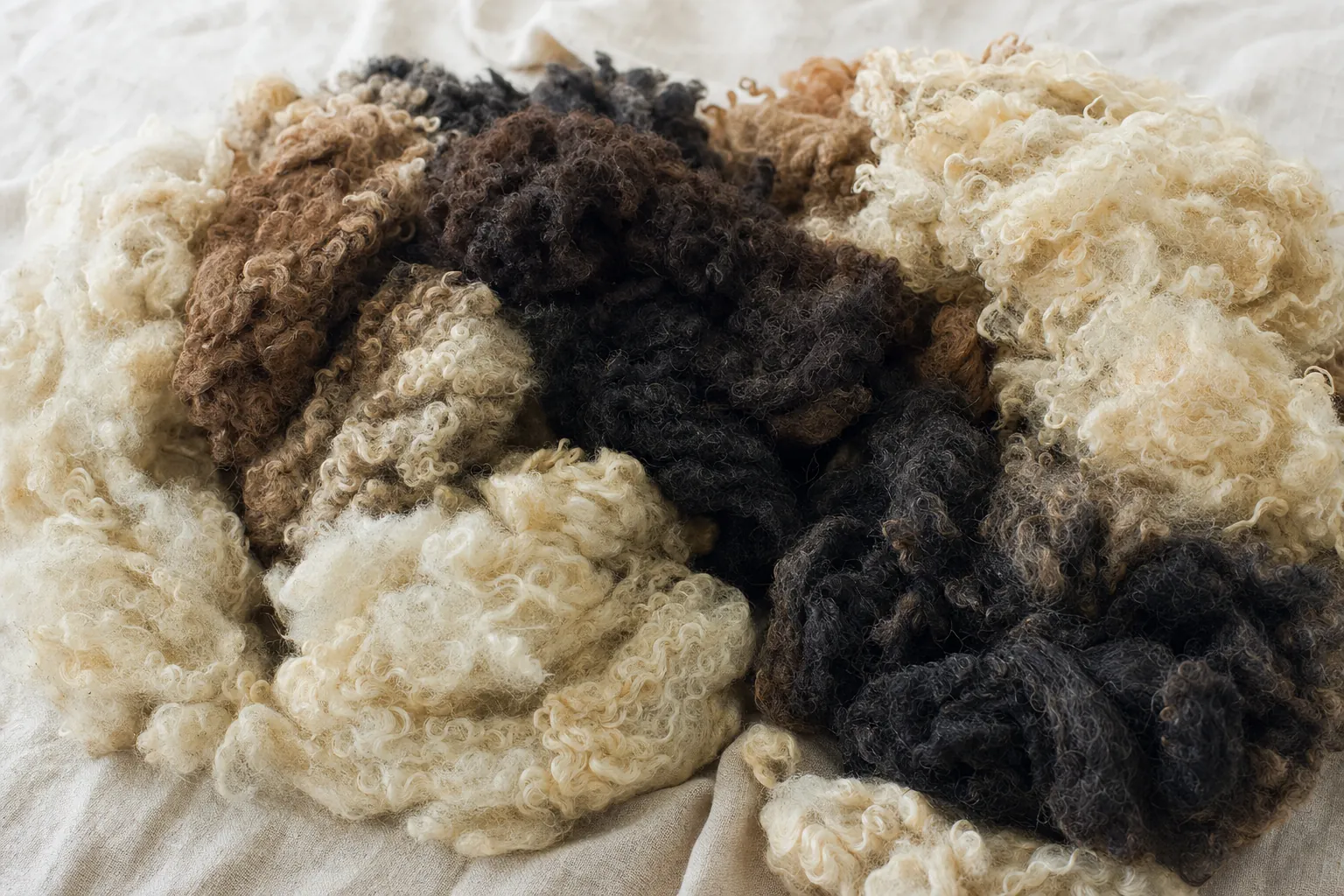
For Harlequin owners who value the fleece, take a moment to notice the color, staple, cleanliness, and any contamination. HSSR’s fiber changes guide explains how a Harlequin’s wool develops over time. Recording what you see can help you learn the individual flock and make more informed choices about care, breeding, and future fleece use.
Give Shorn Sheep a Calm Recovery
After shearing, move sheep into a familiar, protected space with water, forage, and dry footing. They may look smaller and feel different without the fleece, but most settle quickly when the group stays together and the routine remains calm. Watch the weather more closely than usual for the first several days.
Provide shade in hot conditions and shelter in cold or wet conditions. Check that no sheep is being pushed away from feed or water, particularly if the flock includes timid animals, older sheep, or a ewe close to lambing. A shorn sheep has less margin for a sudden weather change, so this is not the time to postpone fixing a damp shelter entrance or a broken windbreak.
Shearing can also be a natural moment to update your annual care calendar. Record the date, schedule a reminder for the next season, and list the other tasks that follow naturally: pasture changes, hoof checks, health conversations, and preparations for breeding or lambing. The best shearing plan is one that fits into a repeatable routine, not one that must be reinvented every year.
How HSSR Can Help You Plan
Harlequin sheep are valued for their manageable size and distinctive fleece, but they still need the same thoughtful annual care as any other wool flock. HSSR’s resources can help you build a realistic plan before shearing day arrives. Start with the Learning Center for flock-care topics, use the breed standard to understand the characteristics you are preserving, and revisit the shelter and fiber guides as you prepare.
If you are choosing your first flock or adding sheep, an HSSR member breeder can also offer practical perspective on the animals you are considering. The member breeder directory gives prospective owners a direct path to people working with the breed. Ask about the flock’s current shearing schedule, local weather needs, handling routine, and anything you should prepare before the sheep arrive.
A Simple Shearing Checklist
Before the appointment, make sure you can say yes to each of these:
- The flock has a shearing date that fits its annual care and lambing calendar.
- You have a dry, well-lit, easy-to-reach place to work.
- The sheep can move calmly from a nearby holding area into a protected post-shearing space.
- You have a weather plan for cold rain, wind, or sudden heat.
- The shearer knows the flock size, location, and any animal-health concerns ahead of time.
- You will observe the sheep after shearing and contact a veterinarian about anything concerning.
- You will record the date and start planning the next year before the season gets busy again.
Shearing goes best when it is a normal part of the farm year. Plan early, keep the handling calm, and give sheep the shelter and attention they need afterward. That approach protects the flock’s comfort and helps you enjoy the practical, rewarding work of caring for a wool breed.
Frequently asked questions
Sheep shearing questions
How often should Harlequin sheep be sheared?
Harlequin sheep are wool sheep and should be shorn at least once each year. The exact timing should reflect your climate, shelter, lambing plans, and the availability of a skilled shearer.
Can sheep be sheared in cold weather?
They can, but only with a thoughtful post-shearing plan. Shorn sheep need a dry place out of wind and cold rain, plus enough feed and close observation after the appointment. If severe weather is likely and suitable shelter is not available, discuss a safer schedule with the shearer.
Should sheep be sheared before lambing?
Many shepherds shear shortly before lambing because long wool can make it harder for lambs to find the udder. The right timing depends on the expected lambing window, local weather, and whether you have suitable shelter for freshly shorn ewes.
Should a beginner shear sheep without help?
It is usually better for a beginner to hire a skilled shearer or learn directly through a reputable shearing school before attempting to shear their own flock. Shearing is physically demanding, and poor technique can stress or injure both the sheep and the person handling it.