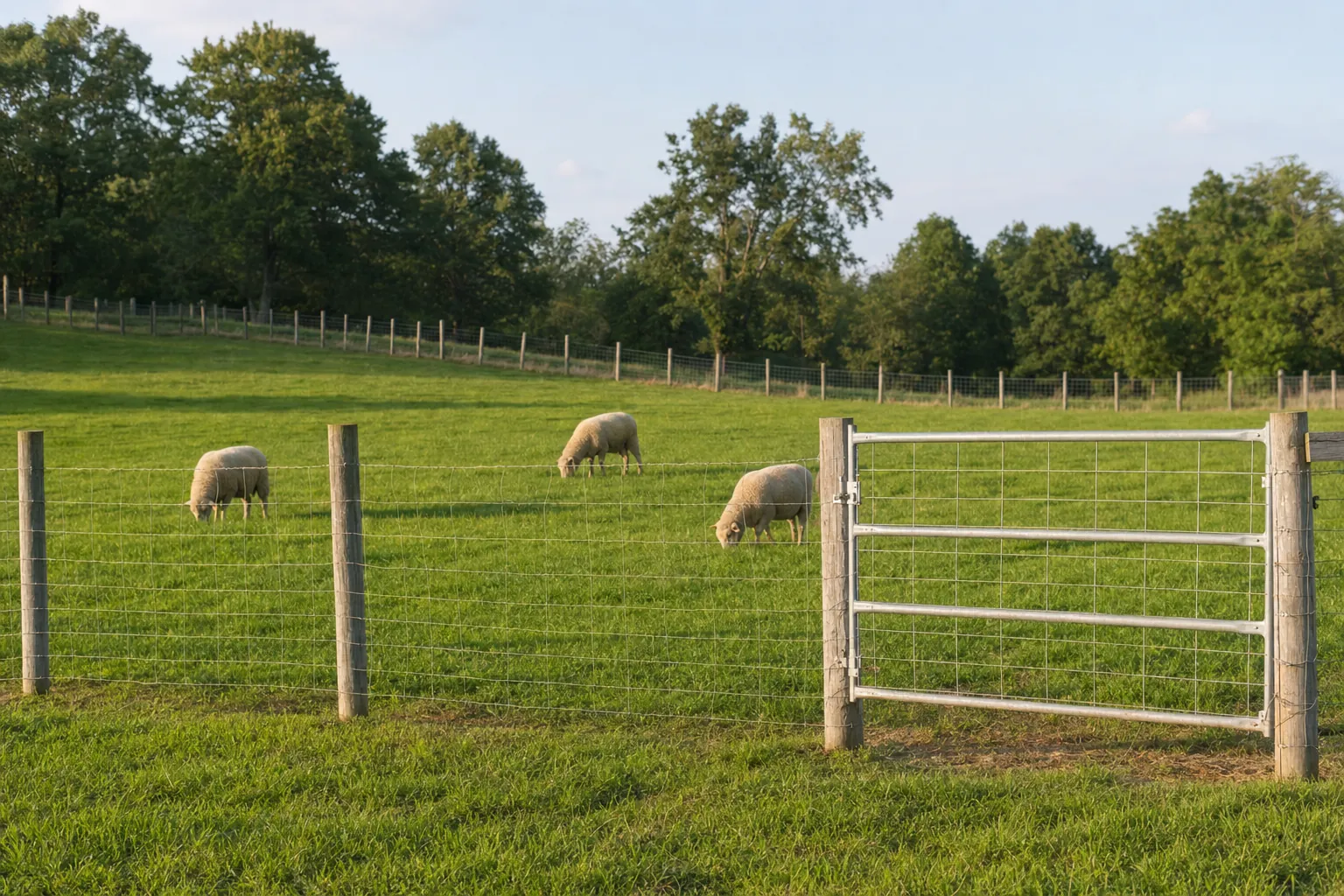
For many first-time shepherds, shelter feels like the first major property decision. It is also one of the easiest places to overbuild, underbuild, or focus on the wrong thing. Sheep do not need a polished house. They need protection from the conditions that challenge them most on your property, plus a setup that lets you feed, observe, handle, and separate animals without turning routine care into a daily scramble.
For a small Harlequin flock, start with the question that matters most: where will the sheep stay dry and out of the wind when the weather turns? From there, build around your climate, pasture layout, lambing plans, predator pressure, and the number of animals you expect to keep. The answer may be a three-sided run-in shed, a converted outbuilding, or a barn with a protected loafing area. The right choice is the one that supports calm sheep and dependable care.
Start With Protection, Not a Building Wish List
A sheep shelter has one central job: reduce exposure when wind, rain, snow, heat, or mud would make the flock uncomfortable or harder to manage. Sheep can tolerate cool weather well when they are healthy, dry, fed, and protected from direct wind. Wet fleece and persistent wind are a different story. A simple weather break can make a meaningful difference without requiring an elaborate barn.
Look at your property during the unpleasant days, not just the pretty ones. Notice where water collects, which direction the strongest wind arrives from, where shade falls in summer, and whether the pasture gives sheep a safe route back to shelter. A shed placed in the wrong low spot can become a muddy problem. A well-sited smaller structure can serve a flock far better.
Penn State Extension notes that sheep housing may be useful for winter or early-spring lambing, sick-animal care, sorting, and other management needs. Its sheep housing guidance is a useful reminder that the structure should match the work you need to do, not simply provide a roof.
Keep the Resting Area Dry
Dry footing matters more than decorative finishes. A shelter should give sheep a place to lie down away from standing water, manure buildup, and constant traffic. When bedding is wet or the entrance turns into a churned-up bottleneck, sheep are more likely to stand outside or carry mud back into the flock area. That makes observation, hoof care, and fleece management harder.
Choose a location with natural drainage when possible. Grade the approach so rain moves away from the opening, and leave enough room around the shelter that animals are not forced to crowd through one slick doorway. In a barn, use bedding and remove wet material before it becomes compacted. In a run-in shed, pay close attention to the area just inside and just outside the opening, because that is where feet, feed, and weather meet.
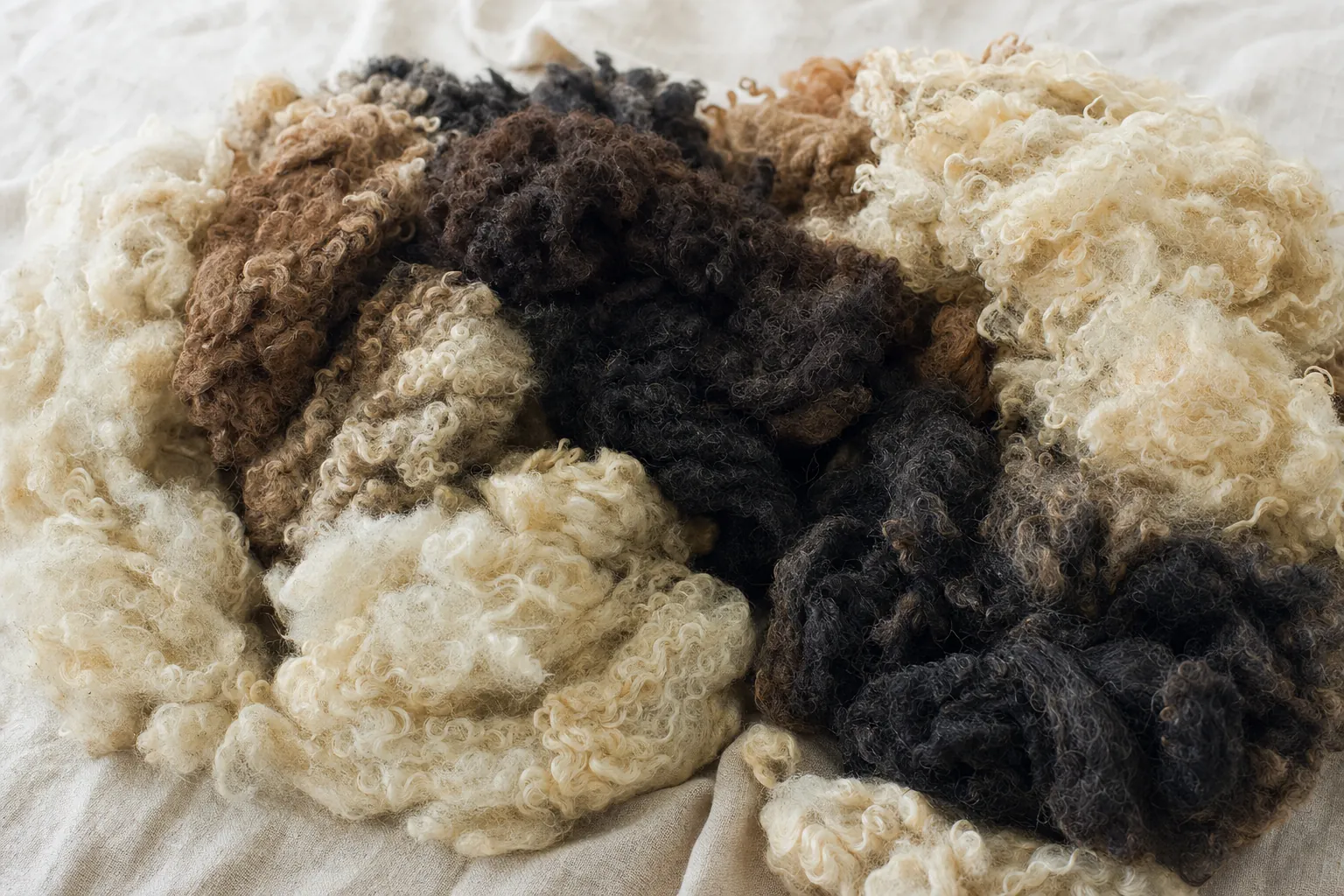
This is especially important for Harlequins valued for their distinctive fleece. Clean, dry living conditions do not guarantee a perfect clip, but they make it easier to protect the wool from unnecessary contamination. HSSR's guide to fiber changes over time explains why the whole management picture, including health and care, affects the fleece you harvest.
Fresh Air Without a Chilling Draft
Ventilation and drafts are not the same thing. A closed-up shelter can trap moisture, stale air, dust, and ammonia. An open, exposed shelter can let cold wind blow directly across resting sheep or newborn lambs. The goal is steady air exchange above and around the flock while preserving a protected place for animals to settle.
In practical terms, that means avoiding a structure that is sealed tight just because winter is coming. Open eaves, high vents, or other upper openings can help humid air leave while the sheep rest below. At the same time, orient the opening away from the wind you see most often, or use a windbreak that does not block the flock's easy access. Penn State's guidance specifically calls for adequate fresh air without drafts that could chill newborn lambs.
Stand inside the shelter on a windy day. If you feel a constant blast at sheep height, adjust the opening, add a protected side, or rethink the placement. If the air smells sharp or surfaces stay damp, the space needs more air movement or more frequent bedding management. Small improvements here can be more valuable than adding square footage.
Plan for the Whole Flock, Not Just the Average Day
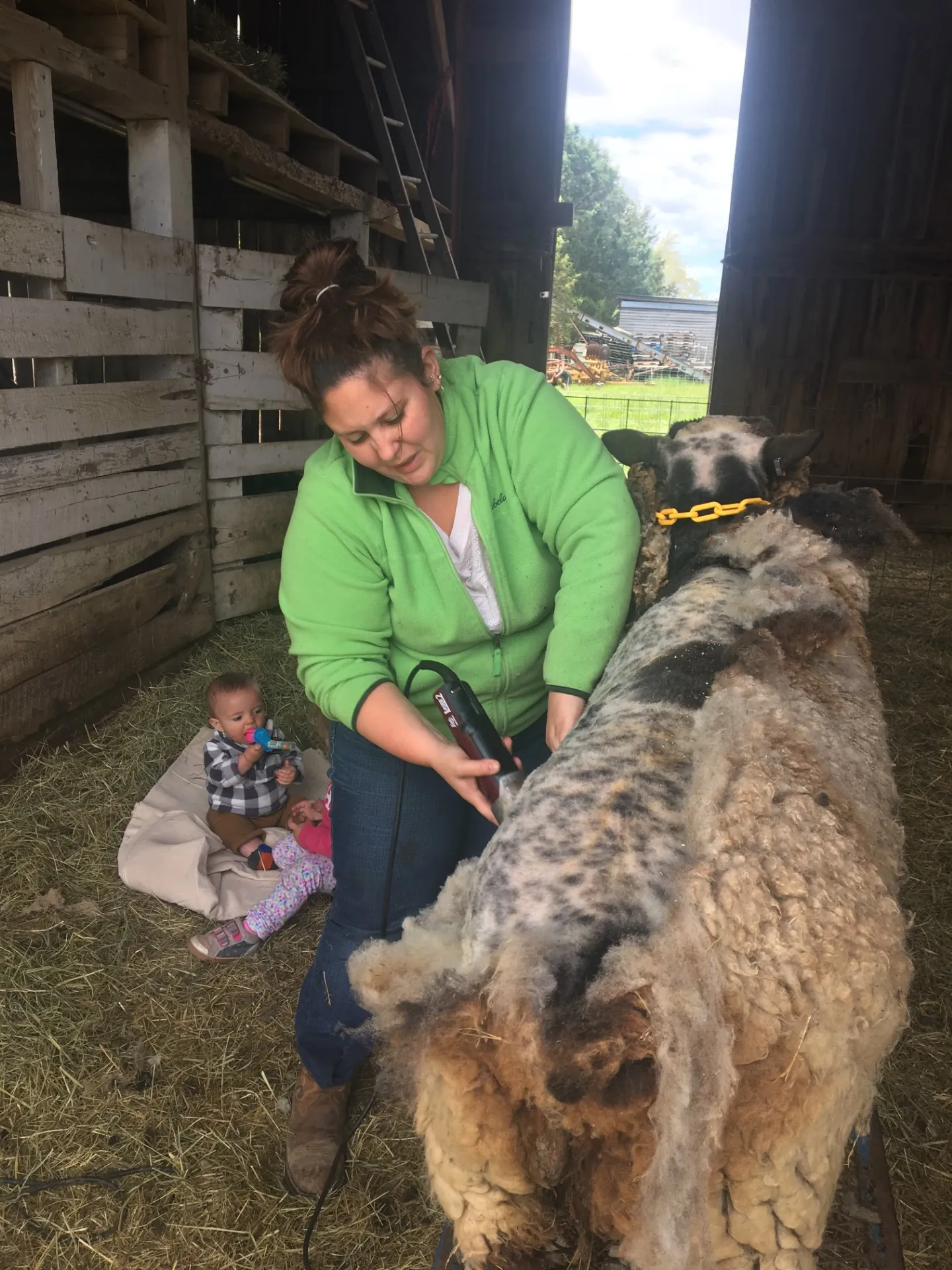
A shelter that feels generous for two quiet adult sheep can feel very different when you add a feeder, a water source, a temporary pen, a few lambs, or a weather event that keeps everyone inside. Plan for sheep to move around, lie down, and reach feed without the timid animal being pushed aside. Also leave room for you to enter safely with a wheelbarrow, hay, bedding, or a halter.
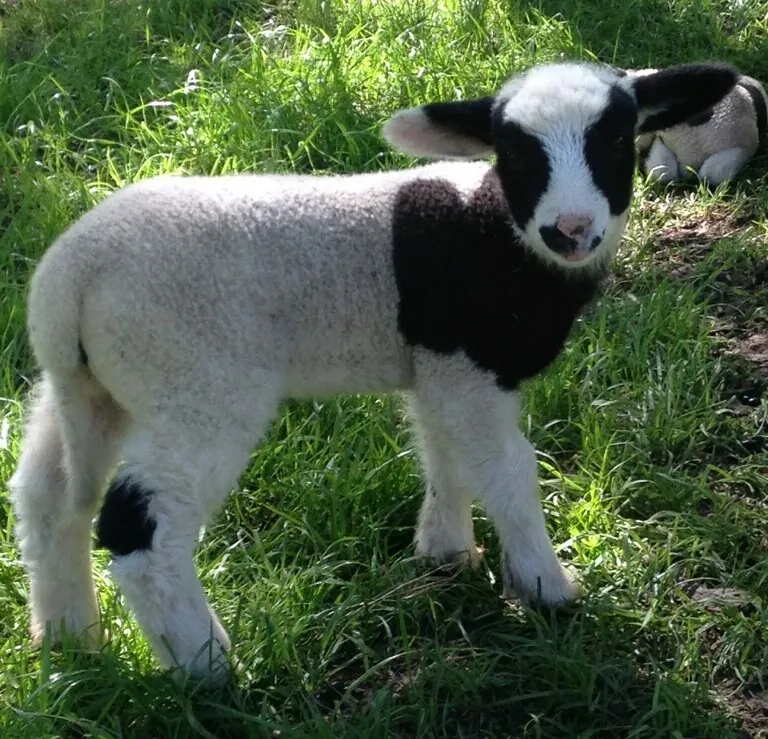
Do not assume a miniature breed removes the need for adequate space. Harlequins may be compact, but they still need room to turn, rest, eat, and keep distance when the flock chooses it. The right amount varies with flock size, animal size, feeding method, weather, and whether the shelter is a short-term retreat or an everyday living space.
Build in one flexible area if you can. A small gate or movable panel can create a quiet place for a new arrival, an animal needing closer observation, or a ewe and lambs. This kind of flexibility is often more useful to a small flock owner than a larger but fixed open space.
Give Feed and Water Their Own Thoughtful Space
Feeding is where a good shelter can quickly become congested. Hay, minerals, and water bring every animal together, so their placement affects cleanliness and flock dynamics. Keep water where it is easy to clean and refill without walking through the sleeping area. Place hay so it stays as dry as possible and does not turn the main resting space into a trampled, waste-heavy zone.
Watch how your sheep behave at feeding time. If one animal always waits until the others finish, if hay is consistently dragged into bedding, or if the water bucket becomes muddy after every rain, the system needs a change. The best setup is not the one that looks neat on day one. It is the one that stays manageable through a wet week, a busy workday, and the season when you have the least spare time.
Before bringing home sheep, make sure the essentials are already ready. HSSR's 10 things to know before you buy covers the basic preparation every new owner should have in place, including secure fencing, shelter, fresh water, mineral access, and a shearing plan.
Make Shelter Part of Your Predator Plan
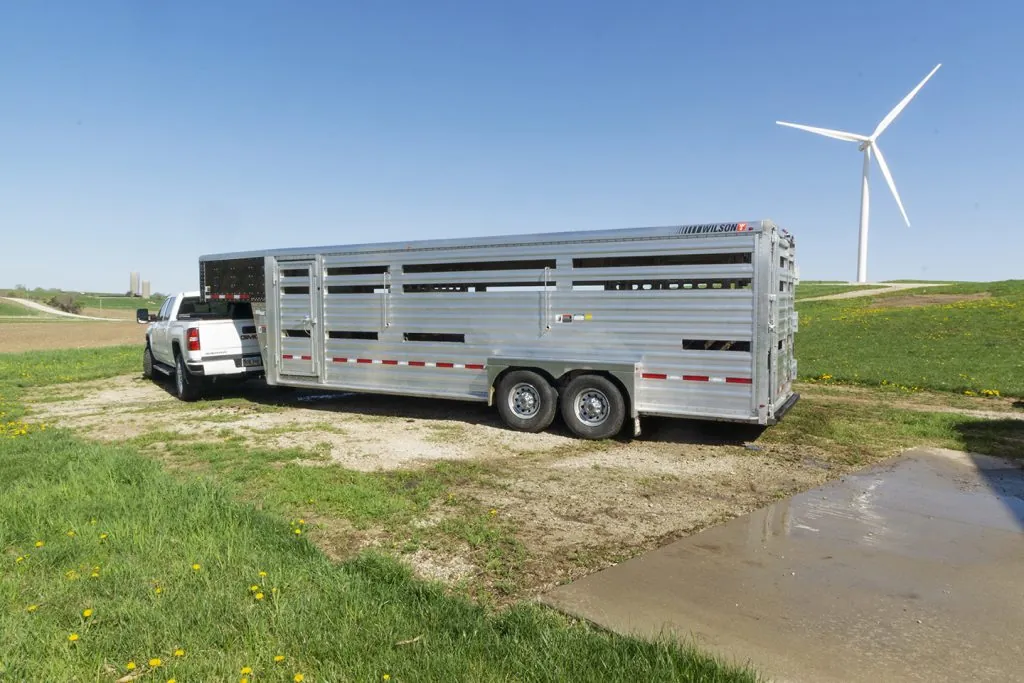
Shelter is helpful, but it is not predator protection by itself. An open-sided shed may make it easier to keep an eye on the flock, but it does not replace sound perimeter fencing, secure gates, regular checks, or an appropriate livestock guardian plan. Consider how sheep will move from pasture to shelter after dark and whether the structure creates blind corners or traps that make supervision harder.
For some owners, keeping sheep closer to the house overnight is part of the plan. For others, strong fencing and a well-managed pasture are more important than enclosing animals in a barn. Your local risks, terrain, and flock routine should guide the choice. A calm, predictable night routine is usually safer than a shelter used only when something already feels wrong.
Use the shelter as one layer in a bigger system. HSSR's predator protection guide explains the importance of sound fencing, thoughtful guardian choices, and matching the plan to the risks on your land.
Separate Your Lambing and Sick-Animal Needs
Most days, sheep benefit from a simple shared space. Lambing, illness, injury, or a new arrival can change that quickly. A practical shelter plan gives you a way to create a quieter pen without isolating an animal so completely that it becomes more stressed. A gate panel, lambing jug, or adjacent small pen can make a difficult day much easier to manage.
Newborn lambs need particular protection from cold, wet conditions and direct drafts. Their needs should shape the setup if you expect to lamb during a harsh season. Penn State Extension notes that small to medium ewes in lambing jugs need a different pen arrangement from larger ewes, which is a good reason to plan the space around your own animals and season rather than copying a generic barn layout.
Keep the area easy to see, bed, and clean. You want to notice a ewe that is off feed, a lamb that is not nursing, or a sheep that is coughing without having to move the whole flock. When in doubt about an animal's health, contact a veterinarian promptly rather than relying on shelter changes alone.
Choose a Setup You Can Maintain
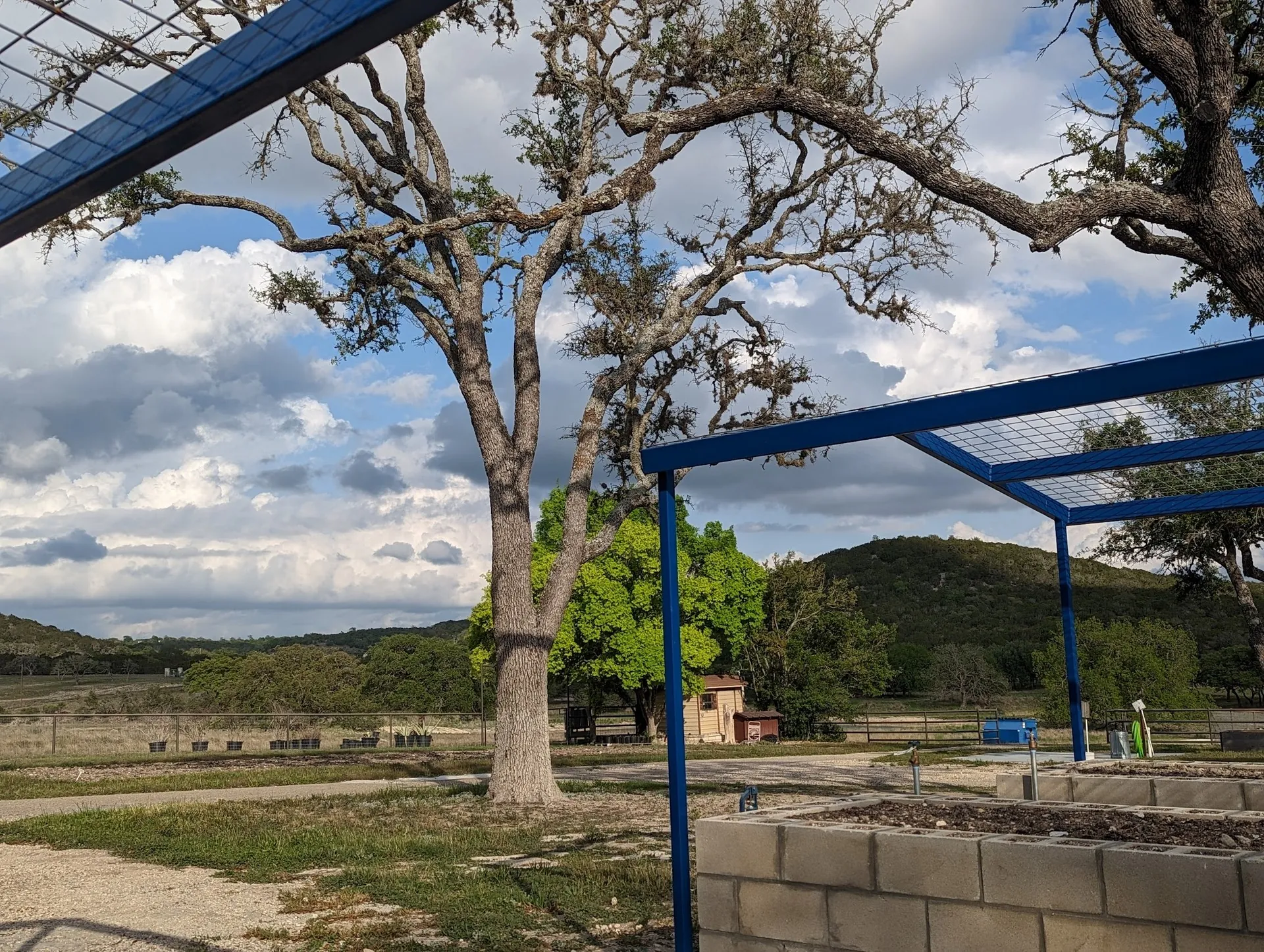
The best sheep shelter is one you will actually keep clean, dry, and functional. Before spending money, walk through the work: carrying water in winter, delivering hay in rain, removing bedding, closing a gate with one hand, and getting a sheep into a small pen if you need to. A simple run-in with a dry approach may serve a small flock better than a large building that is difficult to manage.
Also think ahead. Will you want to add sheep? Will you breed? Do you need a place for shearing, hoof work, or a veterinarian visit? You do not have to build every future feature today, but leaving a sensible expansion path can save you from a frustrating redesign later.
If you are still choosing a flock, speaking with an HSSR member breeder can help you connect your shelter plan to the sheep and goals you have in mind. Start with the Harlequin breeder directory, then ask direct questions about the animals, your climate, and the setup you are preparing.
A Simple Sheep Shelter Checklist
Before you call the shelter finished, use this quick check:
- Sheep can get out of the prevailing wind and difficult weather.
- The resting area stays dry and has a practical drainage plan.
- Fresh air can move through without a hard draft at sheep height.
- Every sheep can reach feed and water without constant crowding.
- You can clean, bed, observe, and handle sheep without creating a bottleneck.
- You have a flexible pen for lambing, new arrivals, or closer observation.
- Your fencing and nightly routine support the shelter rather than relying on it as the only protection.
Start simple, then observe. Your sheep will tell you a lot through where they choose to lie down, how they approach feed, and whether they use the shelter when the weather changes. A shelter is successful when it makes the flock more comfortable and gives you a steadier, more confident daily routine.
Frequently asked questions
Sheep shelter questions
Do sheep need a barn?
Not every flock needs a fully enclosed barn. Healthy sheep often do well with a well-sited run-in shelter or windbreak that gives them a dry place out of harsh weather. A barn becomes more useful when you need regular indoor housing, lambing pens, a treatment area, or dependable handling space.
Which direction should a sheep shelter face?
Face the opening away from the strongest prevailing wind on your property while preserving easy access and airflow. In many places, a three-sided shed is opened toward the south or east, but your local weather pattern and site drainage should make the final decision.
How do I keep a sheep shelter from getting muddy?
Start with a naturally well-drained site, direct water away from the entrance, and refresh bedding before it becomes wet and compacted. Pay special attention to the doorway and feeder area, where traffic is heaviest. If those zones stay muddy, adjust drainage, footing, or the layout before the problem spreads into the resting area.
Do Harlequin sheep need different shelter because they are miniature?
Harlequins are compact sheep, but they still need dry footing, weather protection, fresh water, good airflow, and enough room to rest and eat comfortably. Plan the shelter around the size of your flock, your climate, and your daily care routine instead of assuming a smaller breed can manage with a cramped or poorly maintained setup.