
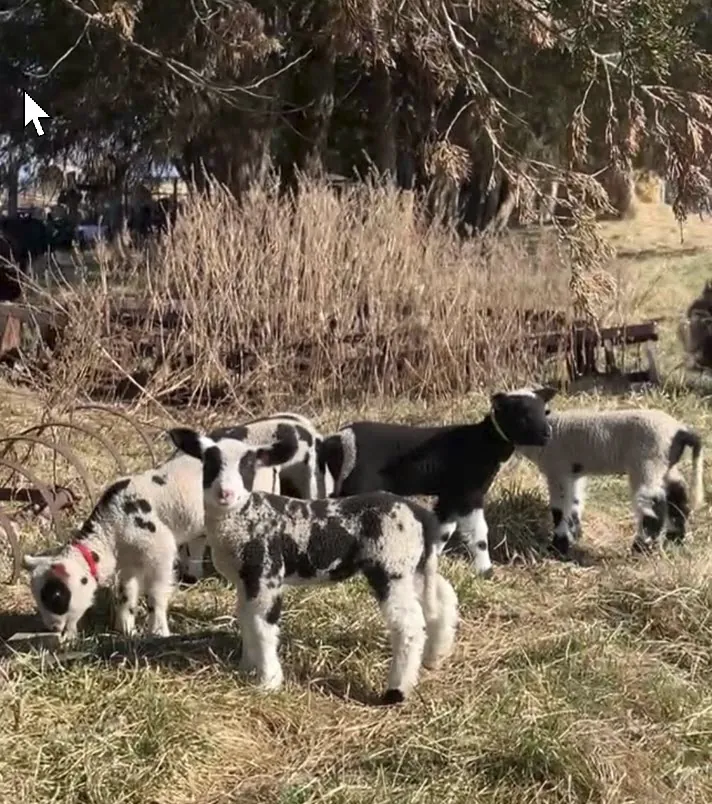
People searching for pet sheep are often looking for gentle, interesting animals that bring real presence to a small farm or rural property. That can be a wonderful reason to keep sheep, provided the plan starts with the animals’ needs rather than the picture in your mind. A companion flock needs the same daily care, protection, and patient attention as any other flock.
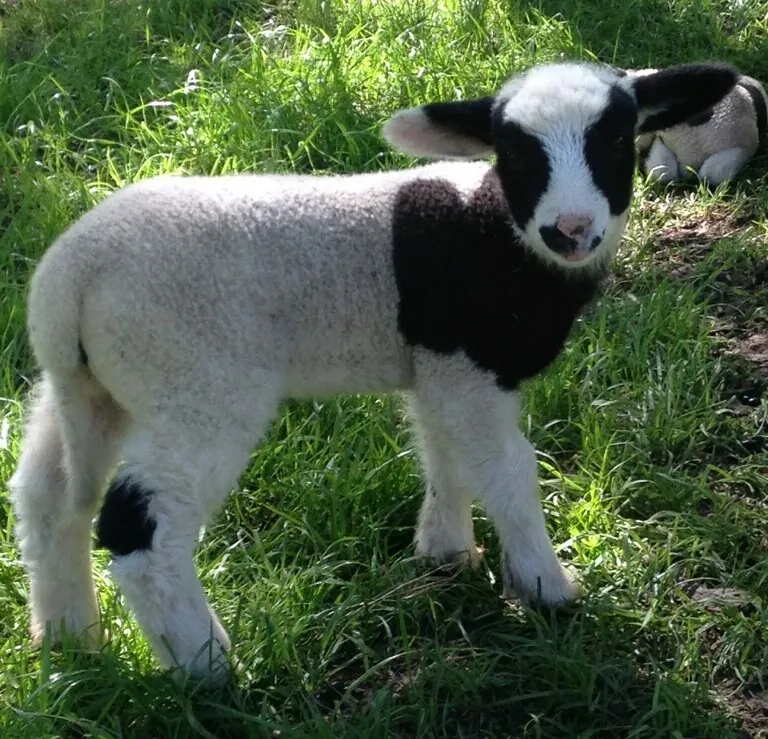
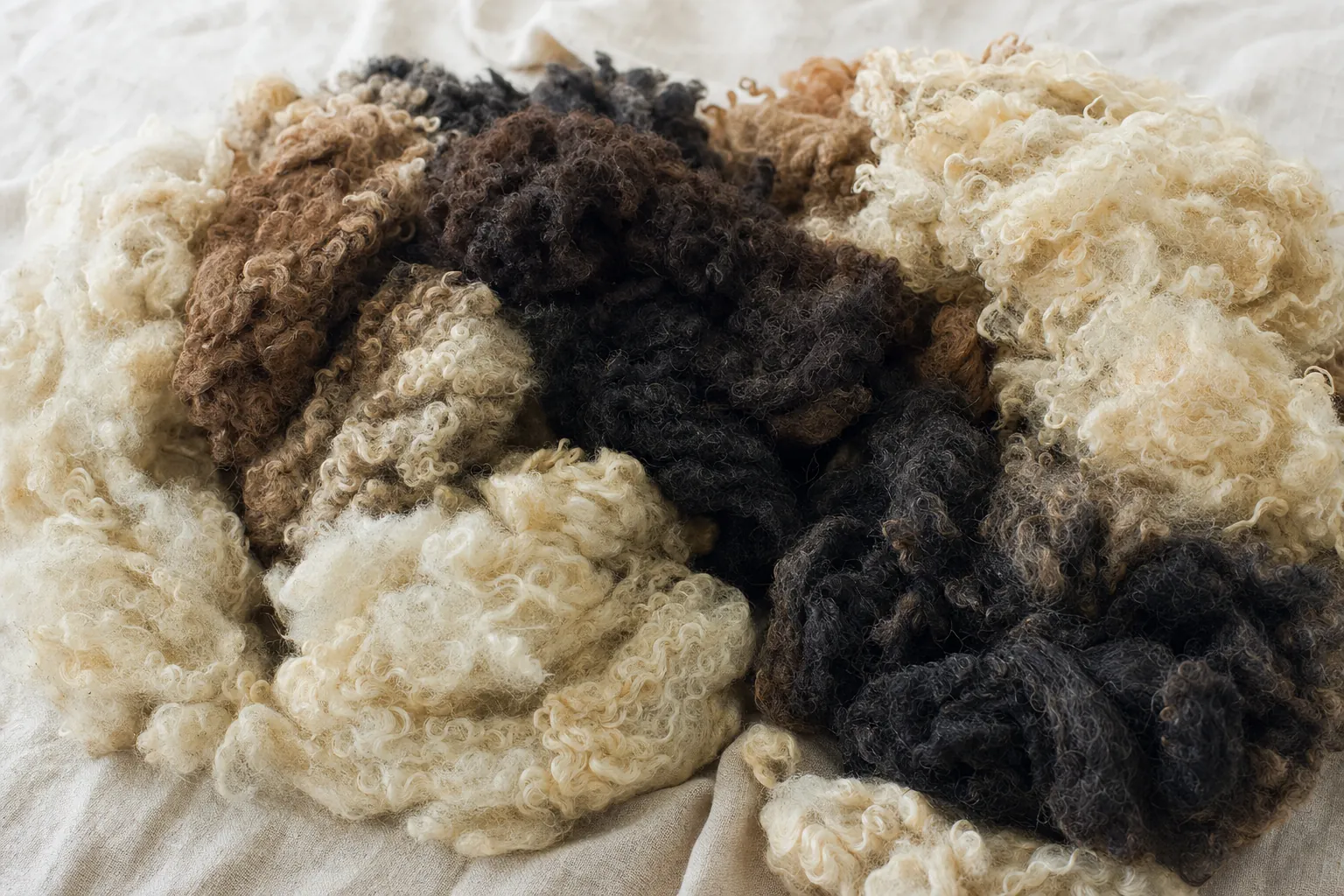
Harlequin sheep are a distinctive American miniature breed with a compact frame, naturally polled profile, and varied fleece. HSSR does not sell sheep directly. The Society connects prospective owners with member breeders who can talk honestly about the sheep they know, the kind of companionship a particular group needs, and whether a farm is ready for a responsible placement.
Think in Terms of a Companion Flock
A pet sheep should never be a solitary pet. Sheep are flock animals, and their relationship with other sheep is a central part of their daily comfort. When you contact a breeder, describe the kind of flock you hope to keep and ask about a compatible pair or small group. Established companions can make a new home feel less unfamiliar and give you a better starting point than trying to build a group one sheep at a time.
The best pair is not always the two sheep that first catch your eye. Age, sex, temperament, previous companions, and your long-term plans all matter. Some owners are looking for calm adult sheep that can settle into a steady routine. Others are drawn to lambs and are prepared to give young animals more time, structure, and observation. A breeder who knows the flock can help you understand the practical difference.
Companionship does not remove the need for good management. A small flock still needs enough room to move and rest, separate feeding space when appropriate, reliable water, a dry place out of difficult weather, and secure fencing. The goal is not to make sheep fit into a pet routine. It is to create a routine that respects how sheep live.
Tell the Breeder What You Want From Life With Sheep
Start the conversation with enough detail for a breeder to make a helpful recommendation. Explain where you live, whether you have kept livestock before, how many sheep you hope to keep, and what you enjoy about the idea of a companion flock. It also helps to say what you are not looking for. A family seeking a peaceful, non-breeding flock may need a different fit from someone interested in fiber, showing, or a future breeding program.
Ask about each sheep’s temperament, current handling, feeding routine, fleece care, health history, and companions. Ask what the sheep are used to, how they respond to ordinary chores, and what kind of transition the breeder recommends. A thoughtful breeder conversation gives you a fuller picture than a listing can offer and helps avoid choosing an animal only because it is available now.
HSSR member breeders are stewarding the Harlequin breed and the records behind it. That gives prospective owners a more grounded place to start than a generic classified listing. Use the HSSR member breeder directory → to begin with people raising Harlequins across the country.
Prepare for Livestock Care, Not a Backyard Novelty
Harlequins are compact sheep, but a smaller frame does not make them a low-maintenance animal. Before you commit, have a dependable plan for safe fencing, dry shelter, hay or forage, fresh water, sheep-specific minerals, hoof care, shearing, parasite management, and veterinary support. A good setup should work on ordinary days and in the weather that makes chores hardest.
Walk your property with the daily routine in mind. Check gates, corners, drainage, and any gaps a smaller animal could find. Consider where feed stays dry, how you will carry water in winter or during a busy week, and whether you can observe every sheep without creating stress. Think through predator risk in your area and make sure the flock has a secure place to rest at night or during difficult weather.
A simple, dependable setup is more valuable than a picturesque but unfinished one. The Society’s buyer preparation guide, sheep shelter guide, and land planning guide can help you turn broad interest into a plan you can maintain.
Choose a Sheep You Can Care for Through Every Season
Pet sheep still need routine husbandry. Fleece grows, feet need attention, weather changes, and individual animals sometimes need closer observation. Before choosing a flock, ask how often the sheep are shorn, what feed they receive, whether their fleece needs particular attention, and what daily or seasonal work the breeder expects a new owner to take on.
Harlequins are wool sheep, so shearing is not optional. Your plan should include finding a capable shearer early, knowing where sheep will be held for the appointment, and keeping the flock comfortable through warm weather. Fresh water, shade, airflow, and a clean, well-managed living area matter throughout the year, not only on the day the sheep arrive.
The Society’s annual shearing guide and water guide cover two practical parts of that routine. Breeders can also help you understand what their sheep are accustomed to and what needs to stay consistent during the first weeks at home.
Keep the Purchase and Records Clear
Even when your goal is a companion flock, clear records are valuable. Ask whether sheep are registered, what parentage or generation information is available, what health history the breeder will share, and which documents will accompany the sheep. A documented history helps you understand the animals in your care and makes future decisions less uncertain.
Discuss the ownership transfer before the sheep travel. New owners of registered sheep should become current HSSR members and follow the Society’s transfer process so the Certificate of Registration is current. Keep registration numbers, breeder contact information, health records, and feeding notes together from the start. It is much easier to preserve a clear record than to rebuild one months later.
For a deeper look at what registration means, read the registered and non-registered sheep guide. The ownership transfer guide explains the practical next steps after a registered Harlequin changes hands.
Give the First Days a Quiet Start
Once you have found the right flock, plan travel and arrival as carefully as the purchase itself. Confirm pickup timing, weather, loading, feed, water, health paperwork, and the sheep’s current routine with the breeder. If the flock is traveling a longer distance, use a livestock-aware plan that keeps the trip calm and predictable.
Have the first pen ready before the sheep arrive. Offer familiar feed, clean water, sheltered space, and time away from a stream of new people and animals. Watch that each sheep is eating, drinking, moving comfortably, and settling with its companions. A quiet beginning gives you time to learn the flock’s normal behavior and gives the flock time to understand its new home.
The safe sheep hauling guide and first-flock arrival guide can help you prepare the details before travel day. Patience is part of a good placement, both when you are waiting for the right sheep and when you welcome them home.
Frequently asked questions
Choosing pet sheep
Can sheep be good pets?
Sheep can be rewarding companions for people prepared for the daily work of keeping a small flock. They need sheep company, secure fencing, shelter, forage or hay, clean water, routine health care, and calm, consistent handling. A pet flock is still a livestock commitment.
Should I buy one pet sheep or a pair?
Plan for a compatible pair or small group, not one sheep alone. Sheep are social animals, and the companionship they receive from other sheep is an important part of a settled, healthy flock routine.
What kind of sheep should I ask a breeder about for a pet flock?
Be clear that you are looking for companions and share your experience, property, and household plans. A breeder can help you consider age, temperament, current flock companions, fleece care, and whether lambs, mature sheep, or wethers suit your plans.
Where can I find pet sheep for sale?
HSSR does not sell sheep directly. The HSSR member breeder directory is the best place to begin a conversation with people raising registered Harlequin sheep. Availability and placement decisions vary by breeder, season, and the needs of each flock.